
How to successfully handle on-site unexpected issues
From design to site: when the unexpected puts the system to the test. In many dust suppression and soil stabilisation projects, the design is correct and the product is the right one. The real test, however, comes on site, when operating conditions differ from the initial assumptions. When the unexpected isn’t in the product, but in the application.
The application case: a temporary high-traffic construction roadway
A temporary logistics area with continuous heavy vehicle traffic, limited operational windows, and the need to keep dust consistently under control.
The treatment involved applying a liquid dust suppressant by spraying. During the first days of operation, a concrete issue emerged:
- uneven distribution of the product across the different lanes
- higher than expected consumption
- reduced effectiveness in braking and manoeuvring areas, with dust quickly reappearing.
The material used was correct, but the result was not what had been expected. The risk was having to intervene repeatedly without solving the root of the problem.
The value of technical assistance on site
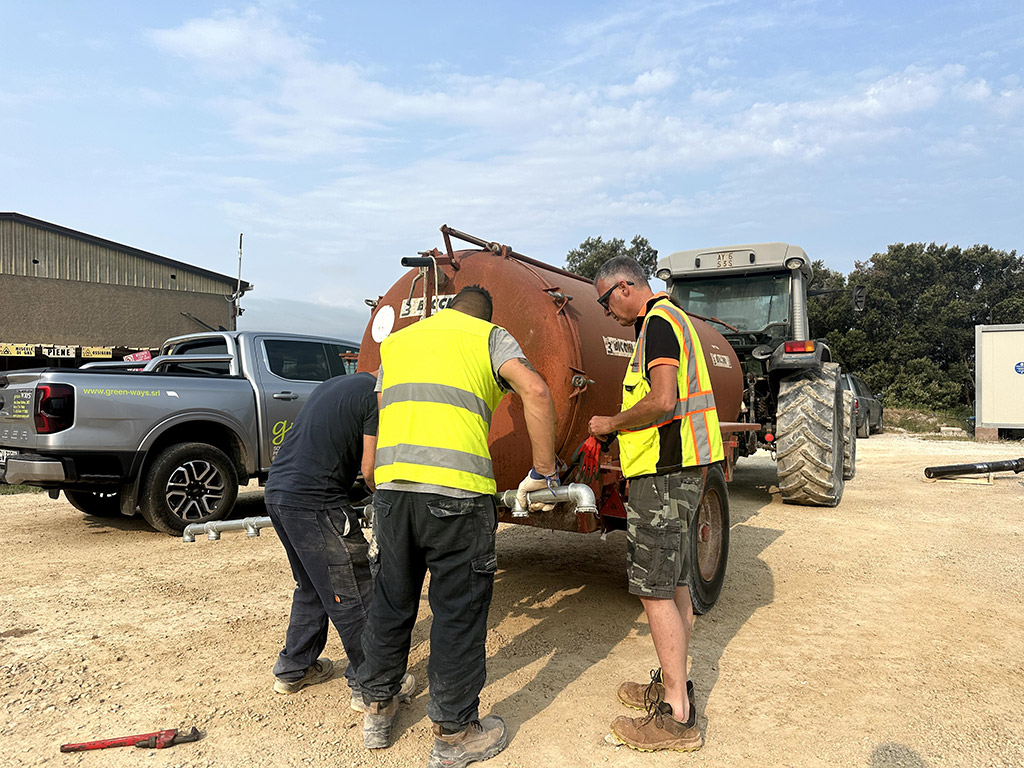
Our support came directly into play in the field, working alongside the contractor during application.
The intervention focused on:
- spraying method
- operational parameters of the equipment
- adapting the application to the real traffic dynamics and use of the area.
Through targeted adjustment of the GW Spray System and a revision of the application method, it was possible to:
- achieve uniform product distribution
- improve treatment durability in the most stressed areas
- reduce consumption and corrective interventions
- ensure operational continuity without slowing down the site.
The result
An effective, stable and controllable treatment over time, achieved not by changing the product, but by changing the operational approach.
It is in situations like these that the difference becomes clear between simply supplying a material and supporting its application all the way to the final result.
At Green Ways, this is how we work: we don’t stop at supply — we stay on site when operational decisions need to be made.
The solution for quarry dust suppression
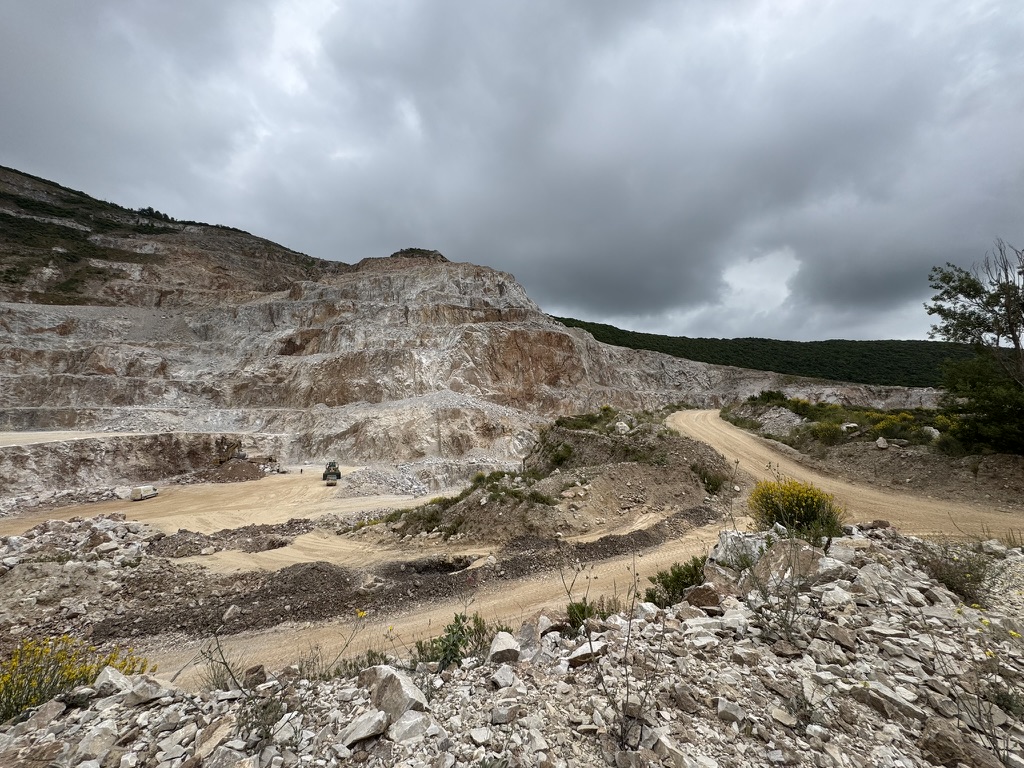
Dust management within quarry sites is one of the most critical environmental challenges for companies operating in the extractive sector. The exclusive use of water, in addition to failing to deliver long-lasting results, leads to excessive resource consumption and often does not fully comply with environmental regulations.
An effective and sustainable solution on natural soil and asphalt
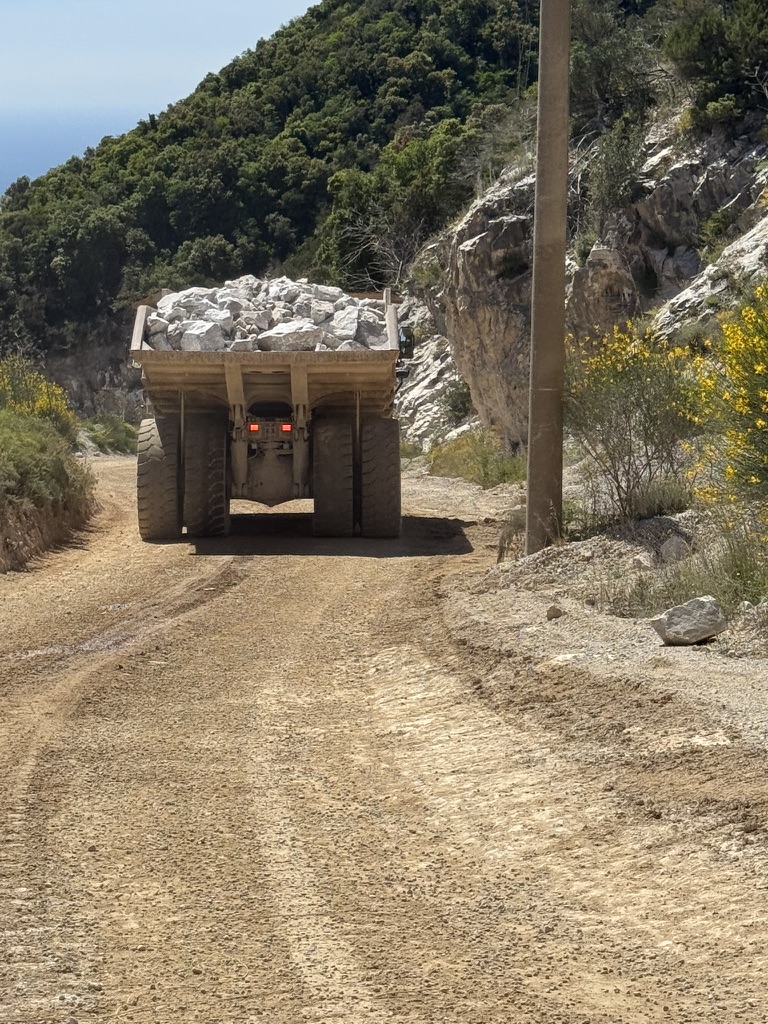
This was the case for a large quarry located in Campiglia Marittima, operated by CAVE DI CAMPIGLIA S.p.A., which, no longer able to contain dust dispersion using traditional methods, turned to Green Ways to identify an effective, sustainable solution in line with ARPA guidelines.
Following an initial technical site inspection, it became clear that a structured intervention was required on both natural soil and asphalted surfaces, while ensuring uninterrupted transit of heavy vehicles within the quarry.
Soil stabilisation and dust reduction: the Green Ways approach
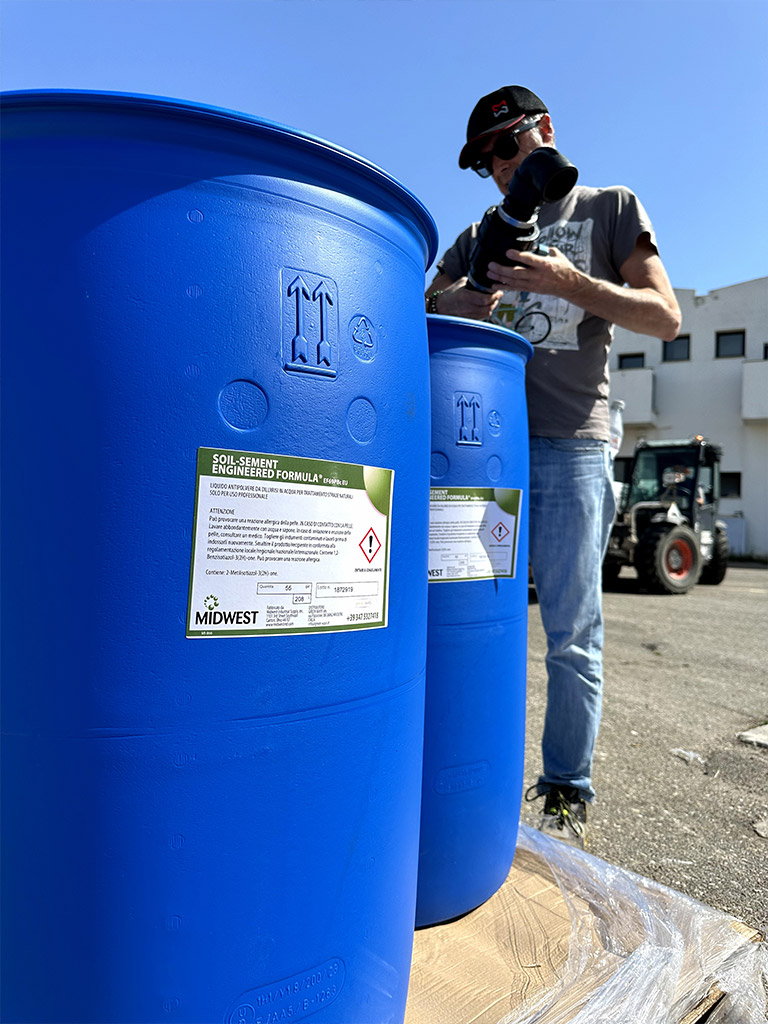
Green Ways technicians designed a targeted application system involving, during the first three days, the use of water mixed with SOIL SEMENT®, a specific product developed for soil stabilisation and dust control.
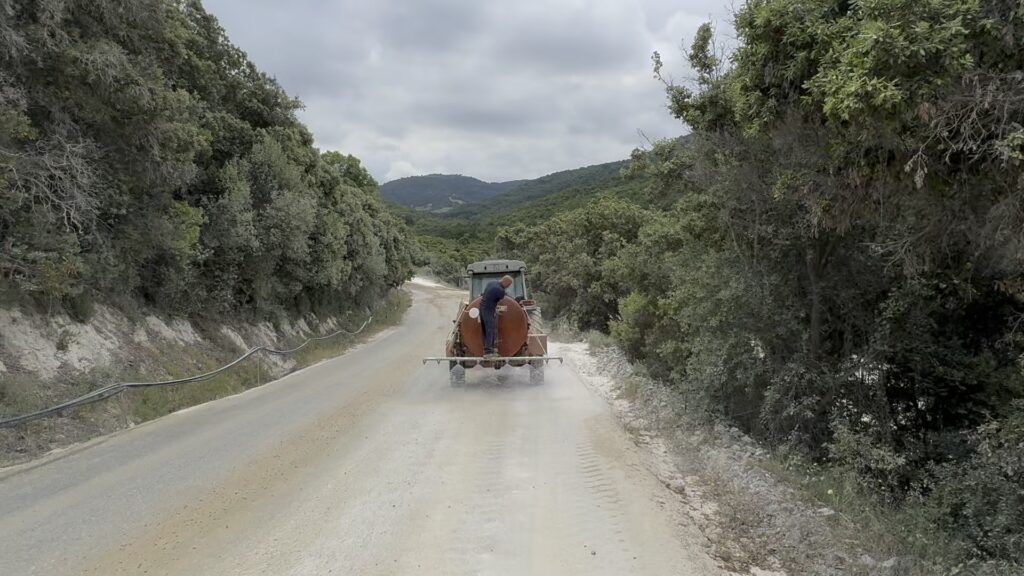
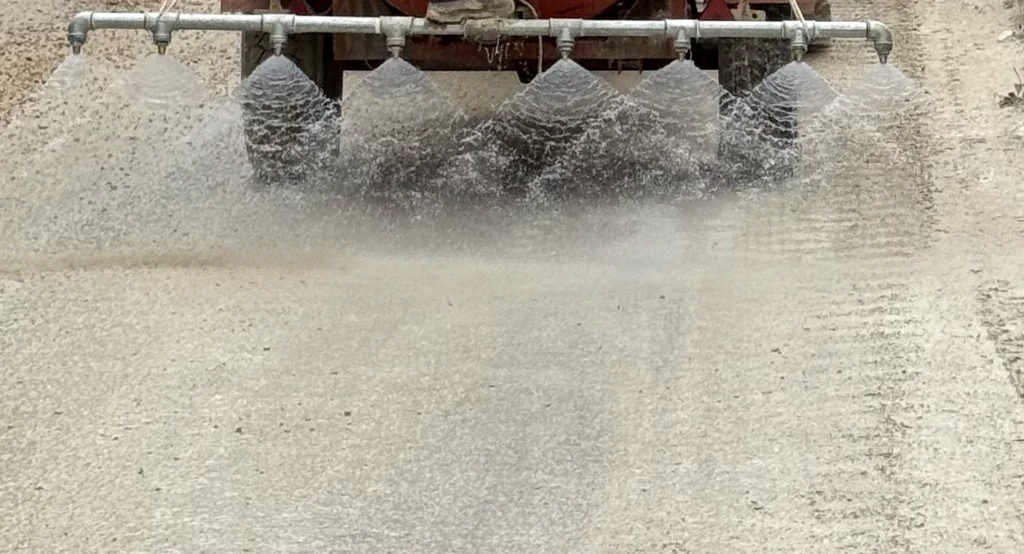
The solution was applied on both natural surfaces and asphalt, ensuring:
- continuous operation of vehicles in transit
- a drastic reduction in airborne dust
- longer-lasting effectiveness compared to the use of water alone.
Throughout the application phase, the Green Ways team supported the company by monitoring results and suggesting operational improvements to further optimise treatment performance.
In the months that followed, the Campiglia quarry continued to adopt the proposed solution, achieving tangible benefits: a significant reduction in the consumption of thousands of litres of water, improved control of fine dust emissions, and full compliance with ARPA environmental requirements.
Before and after
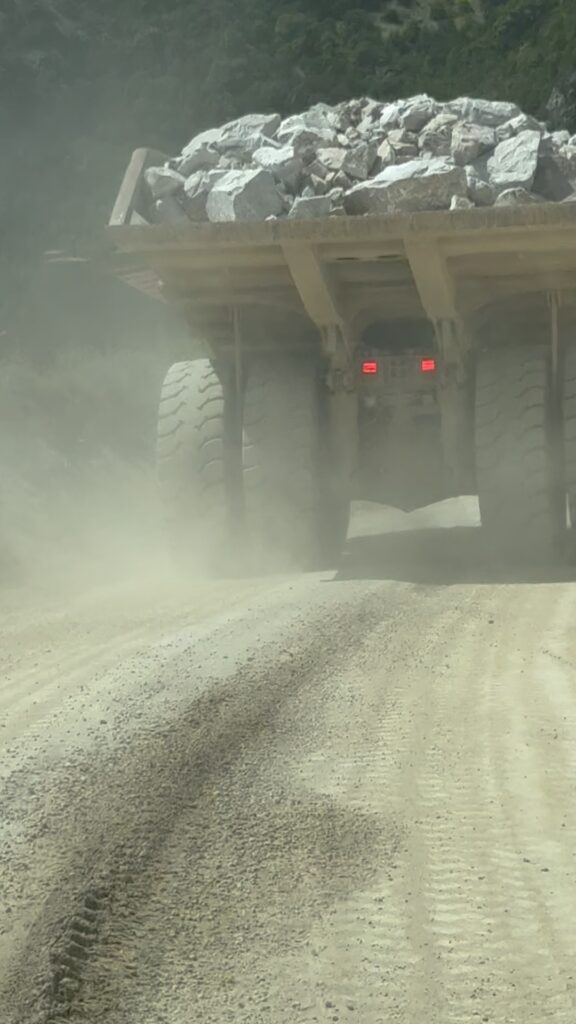
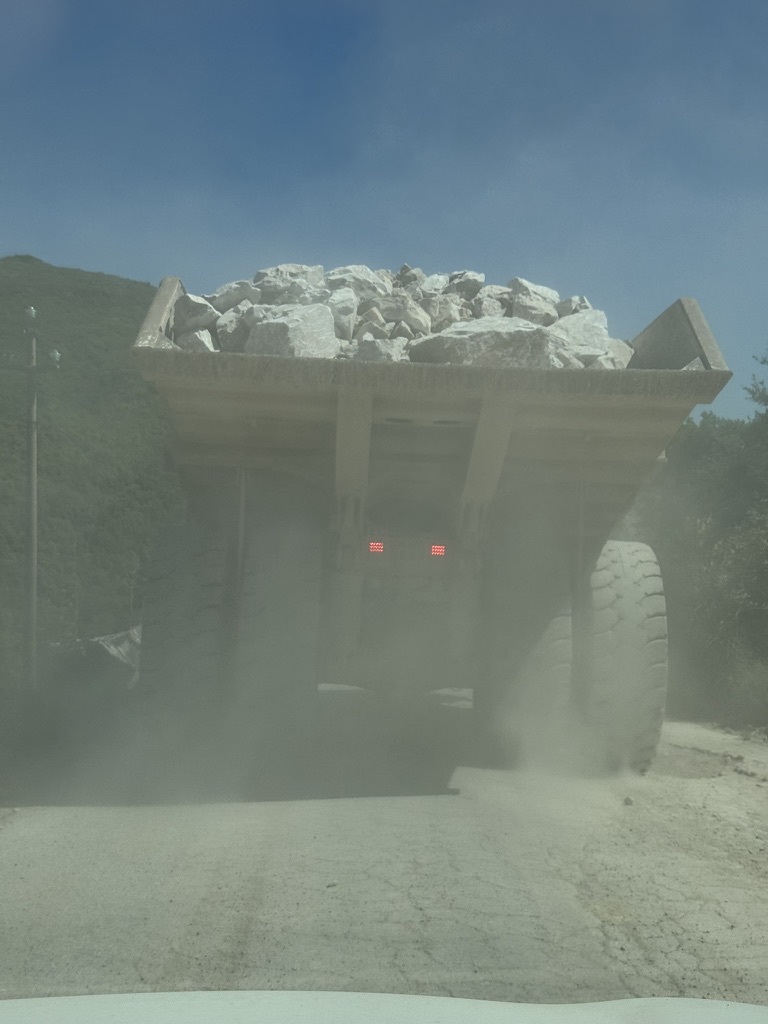
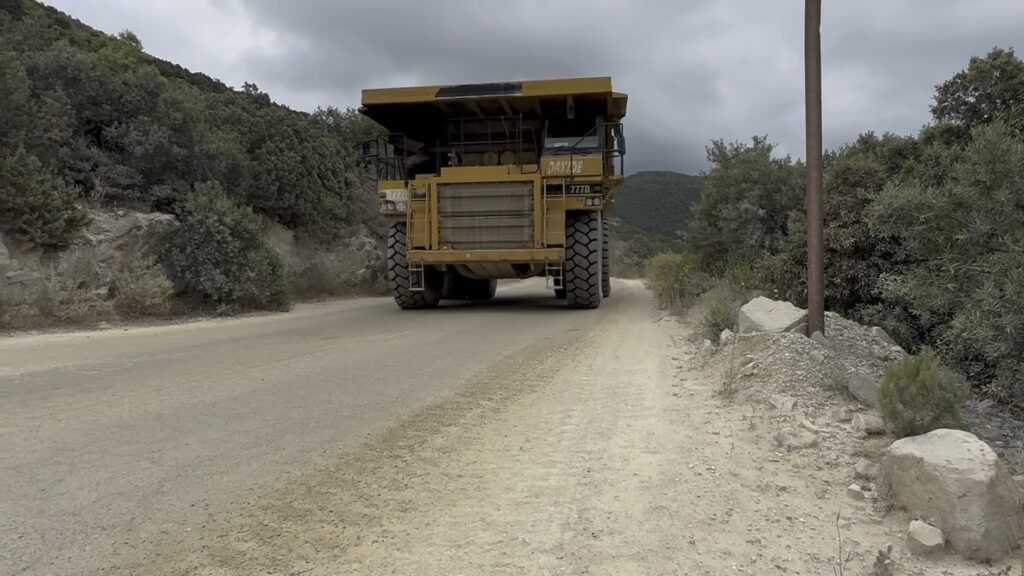
The images clearly document the difference between surfaces before and after treatment: from dust clouds raised during vehicle transit to the enhanced soil stability achieved through the Green Ways system.
Before treatment: vehicle transit on natural soil and asphalt causes significant dust dispersion, despite continuous water use, with an increased risk of accidents due to reduced visibility (see pics below).
After Green Ways treatment: stabilised surfaces and a drastic reduction in dust, ensuring safe vehicle transit and lower water consumption (see pics below).
Dust Control for Small Facilities: Green Ways’ Autonomous Application Programme
Dust control is achievable even for small facilities. Green Ways’ Dust Control Programme, designed for autonomous application, draws on over 20 years of field experience to provide a solution that enables anyone to suppress dust effectively, using simple tools, even in challenging conditions and compact sites.
This approach helps small organisations and businesses cut costs while achieving the same level of performance normally expected from large companies equipped with dedicated dust-control teams and machinery — the same companies that already rely on GREEN WAYS solutions.
Before sharing the recent success achieved in a camping area — whose manager had never even heard of dust control — here’s a brief overview of our autonomous application programme.
From Zero to Done: Dust Control with One Click and One Call
This self-applied dust control programme is intentionally simple and streamlined.
All you need to do is send a request to info@green-ways.it describing the specific characteristics of your site (every location is unique and requires a customised plan).
Based on your needs, our technical team prescribes the correct quantity and application volume required to achieve effective dust suppression — for Green Ways, this means delivering a minimum performance threshold of 85% or higher.
We supply the ecological product deemed most suitable by our technicians — ENVIROKLEEN® or SOIL SEMENT® — along with a flexible spraying system (spray bar with suitable nozzles, pump with driver-controlled on/off function), and provide initial training for your team both on-site and online.
A Real-World Example
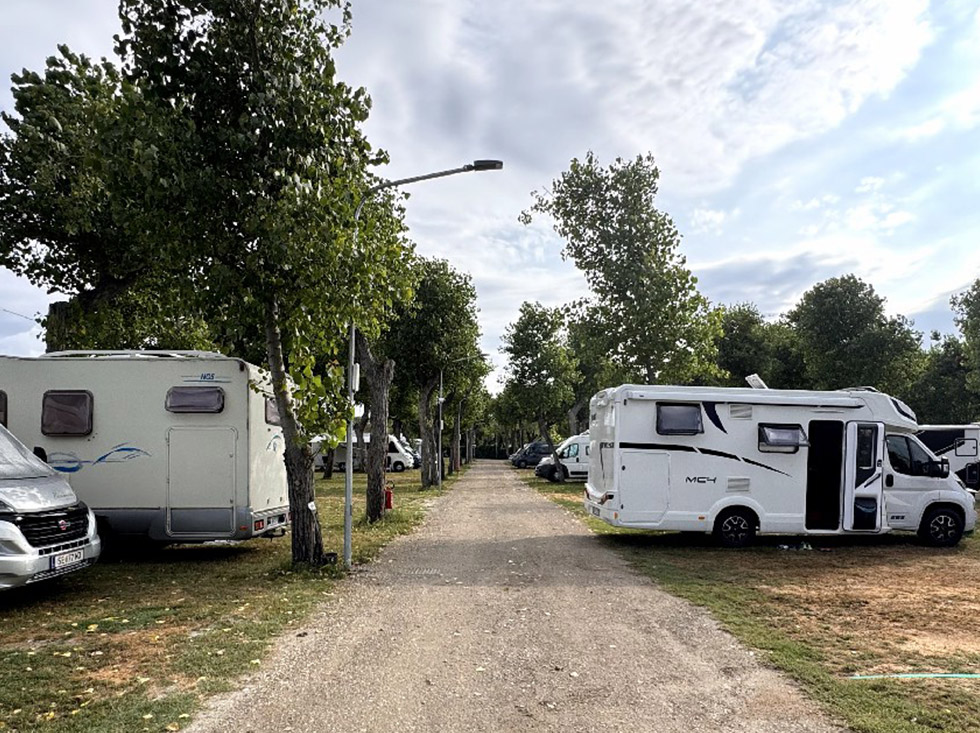
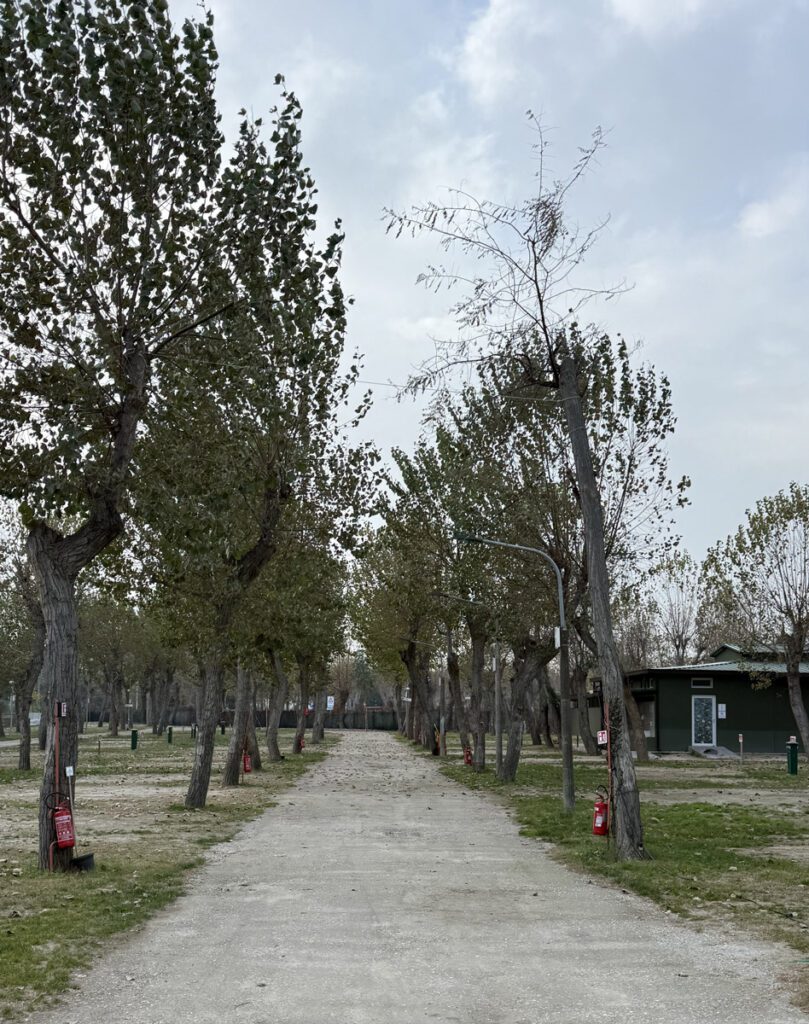
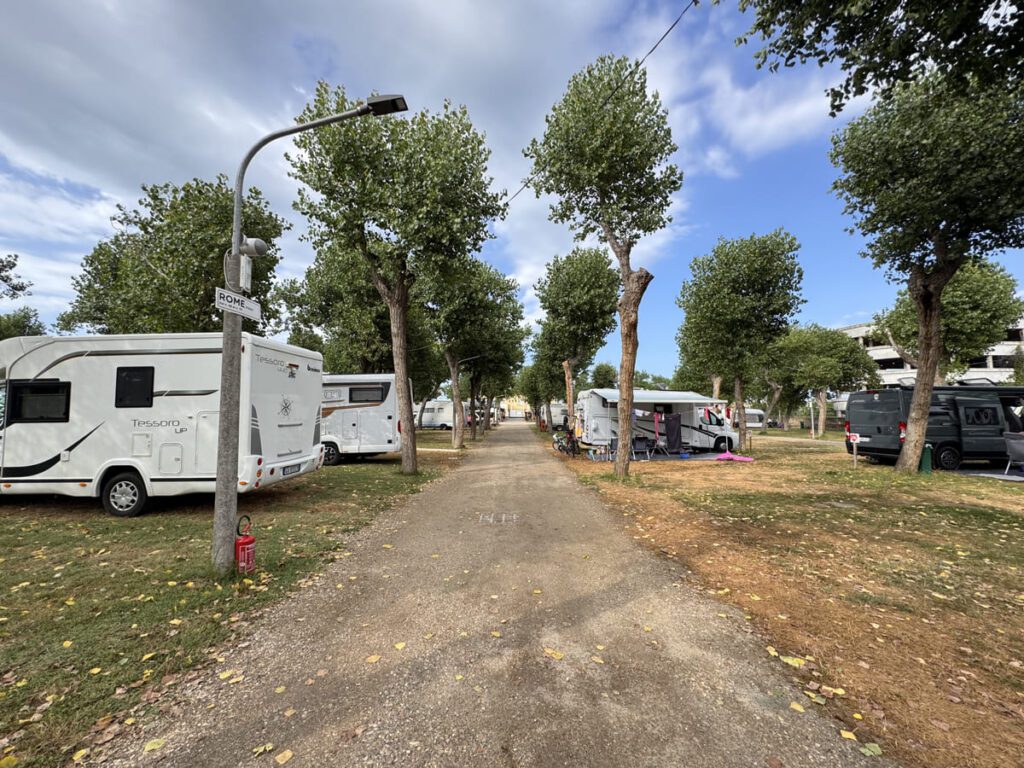
This programme was recently implemented in a campsite that treated 3,000 m² using the SOIL SEMENT dust-binding product.
The campsite owner contacted Green Ways because even the slow passage of cars and caravans during the summer created health and safety issues for guests due to raised dust.
Their goals were clear:
- eliminate the use of water, which evaporates quickly in hot weather
- avoid the mud caused by water-based treatments
- keep the surface clean, stable and dust-free.
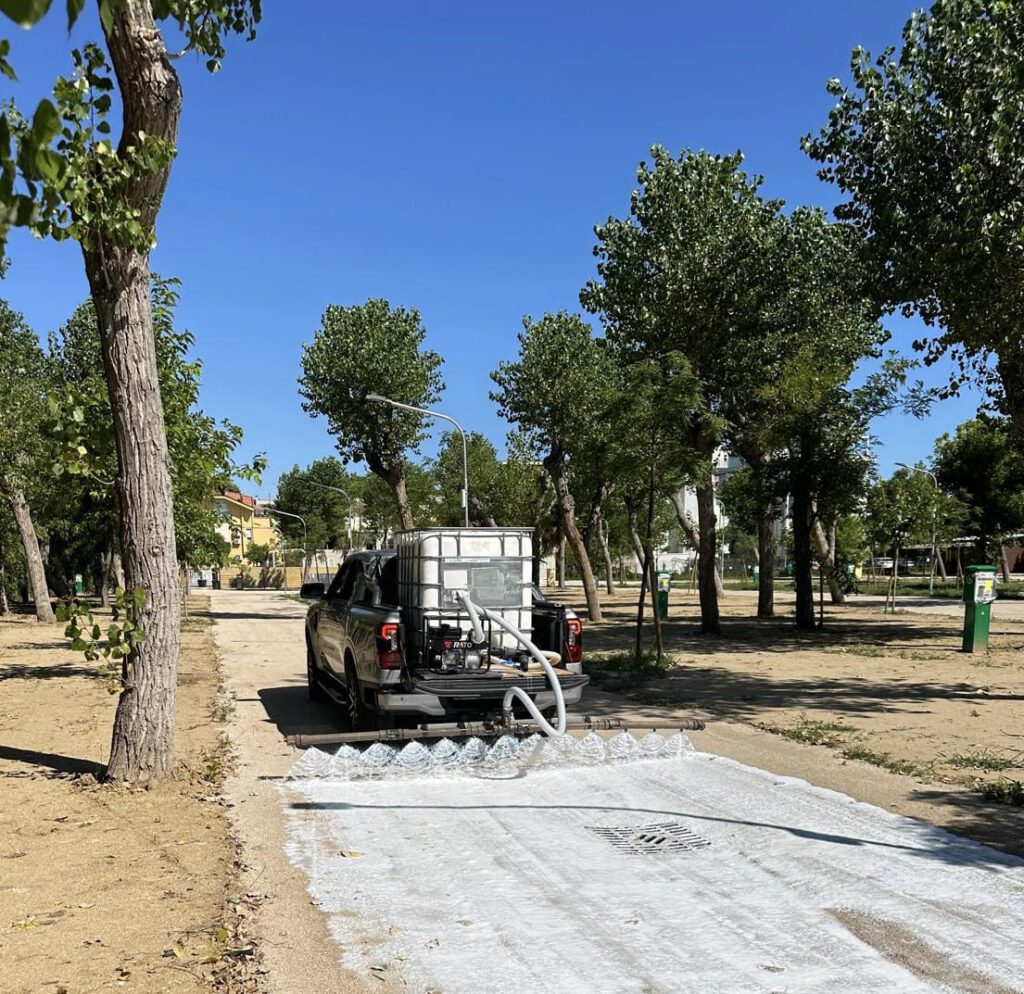
For this application, SOIL SEMENT was selected and applied easily using a pick-up truck carrying a 1,000-litre tank connected via a pump to a spray bar with nozzles.
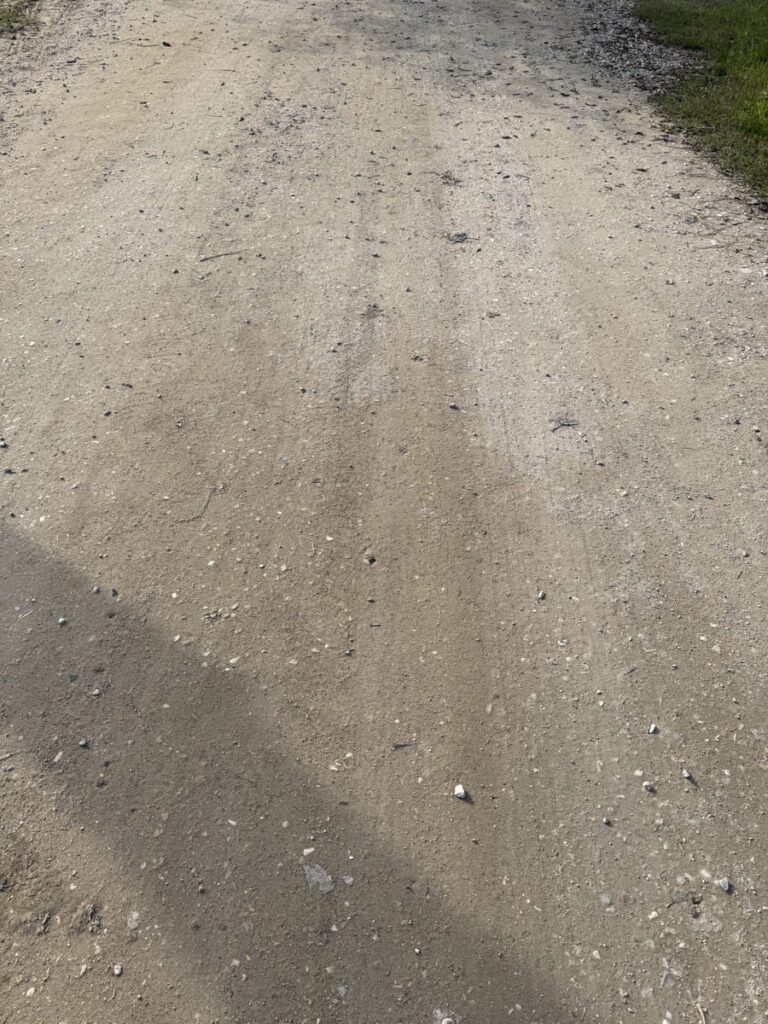
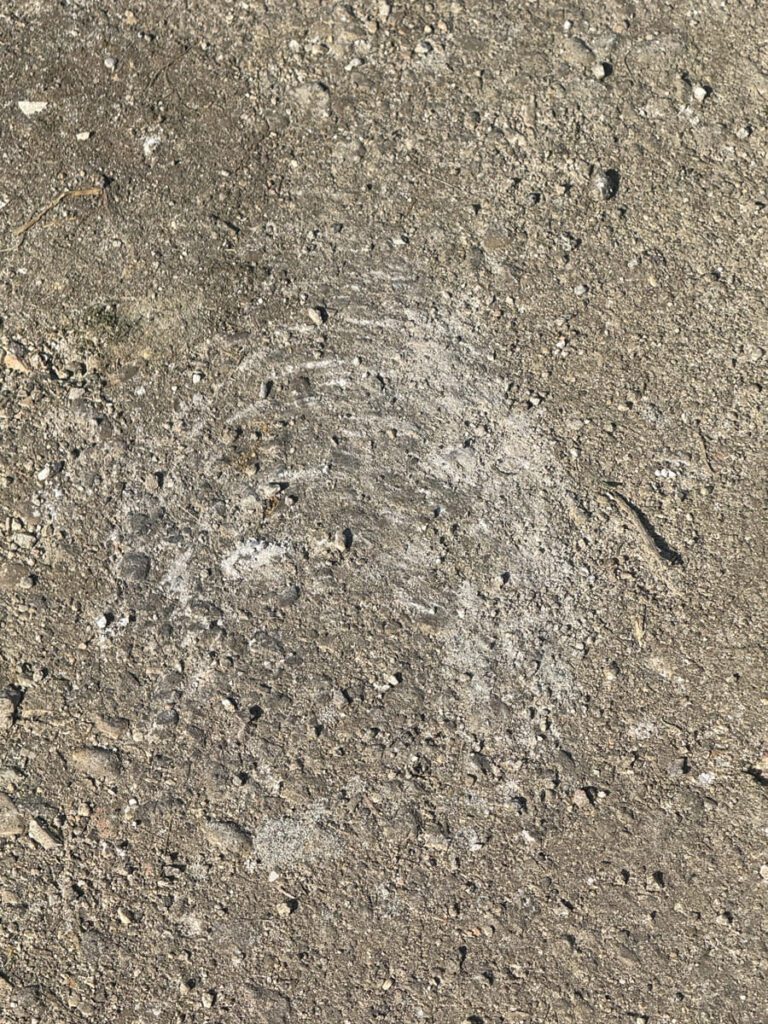
For the 3,000 m² area, 0.5 litres of product diluted in 5 litres of water per m² were used. The next day, the site was inspected to ensure proper penetration and the absence of pooling. The improvement was immediate: the surface no longer produced dust and appeared compact and resistant.
After 10 months, a follow-up inspection confirmed the area was still in excellent condition and that no intervention would be needed for at least another year. With a single application, the site will remain dust-free and stable for around two years.
The client realised that, for years, thousands of litres of water and countless labour hours had been wasted on water-only dust suppression, which merely created mud and issues for guests.
Unlike many “off-the-shelf” standard products that suppress dust for only a few hours or days, the Green Ways dust control programme does not require constant reapplication.
The Advantages Are Clear
- Improved health and safety for staff and guests
- Better visibility, with no dust clouds affecting caravan movement
- Lower maintenance costs, as dust no longer damages air filtration systems
- Compliance with regulations and reduced risk of fines
- Less dust dispersed into the surrounding environment, preserving local ecology
- More cost-effective than alternative dust-control approaches
If you’re new to dust control — or if you’ve already tried every product on the market — try Green Ways’ clean, effective autonomous application programme.
These chains align linearly and crosslink strongly with other chains, forming a dense, interconnected, and stabilized matrix.
With lengths of up to a million molecules, the resulting network keeps soil and aggregates together more resiliently, durably, and flexibly than conventional stabilizing agents, which typically form much shorter chains (between 100 and 1,000 molecules).
The Invisible Strength of Polymers: The New Frontier of Soil Stabilization
The innovative Green Ways technology transforms the ground into a durable, long-lasting, and environmentally friendly surface.
The Power of Polymer Soil Stabilization
Green Ways offers a range of high-performance polymer-based products that deliver unprecedented results in soil stabilization and dust control.
By harnessing the power of polymer chemistry and nanotechnology applied to natural materials, Green Ways solutions help improve the quality and lifespan of infrastructures while reducing costs and environmental impact.
Many customers describe Green Ways products as innovative and surprising, but their effectiveness lies in the combination of advanced chemistry and applied science.
To demonstrate their function, we analyze the nanotechnology behind one of Green Ways’ flagship products: Soil Sement® Engineered Formula.
Achieving Stability with Soil Sement® Technology
Before the introduction of polymer soil stabilization technology, available solutions were limited:
- Paving with asphalt or concrete — expensive and often unjustified for low-traffic roads.
- Or using traditional stabilization methods with rigid hydraulic binders
In both cases, these approaches were neither the most efficient nor the most sustainable.
Green Ways Soil Sement® Engineered Formula is a polymeric emulsion engineered to improve the mechanical properties and performance of native soils and aggregates under any weather condition.
The technology creates a dynamic, interconnected matrix that binds aggregates together, providing resilient, flexible strength that withstands freeze-thaw cycles, remains ductile, and complies with environmental standards.
The result is superior performance with a lower life-cycle cost, thanks to reduced material use and lower maintenance and reconstruction expenses.
Unlike traditional methods, this intelligent chemistry uses ultra-long-chain polymer technology to ensure lasting structural integrity and greater resistance to heavy loads and extreme conditions.
Soil Sement® Technology Under the Microscope
The nanotechnological properties of the stabilizer are activated as soon as the solution is applied to native soil or aggregates.
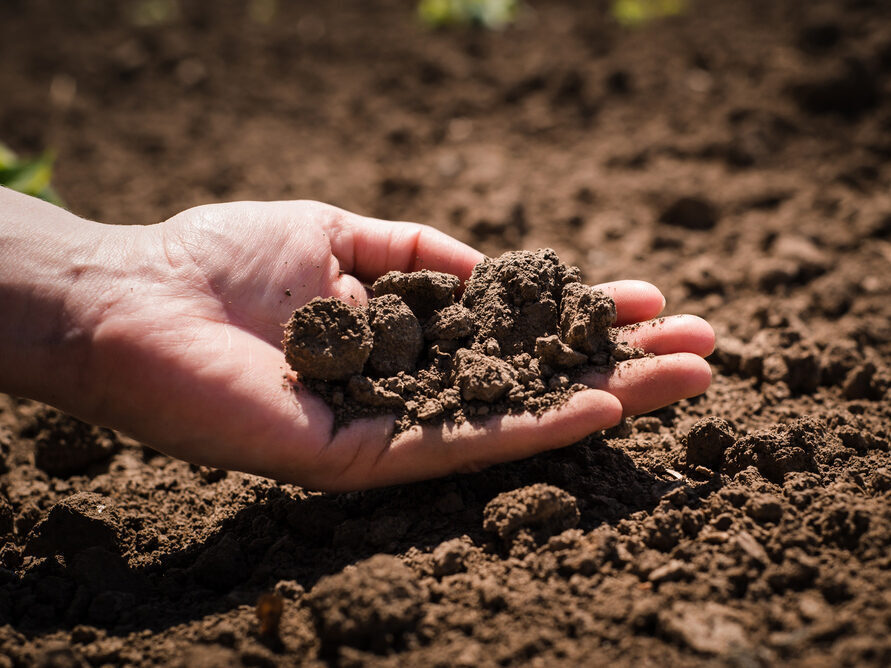
The polymer chains, made up of millions of Soil Sement® molecules, form interlocking physical bonds between every soil particle, effectively binding them together on a quantum scale.
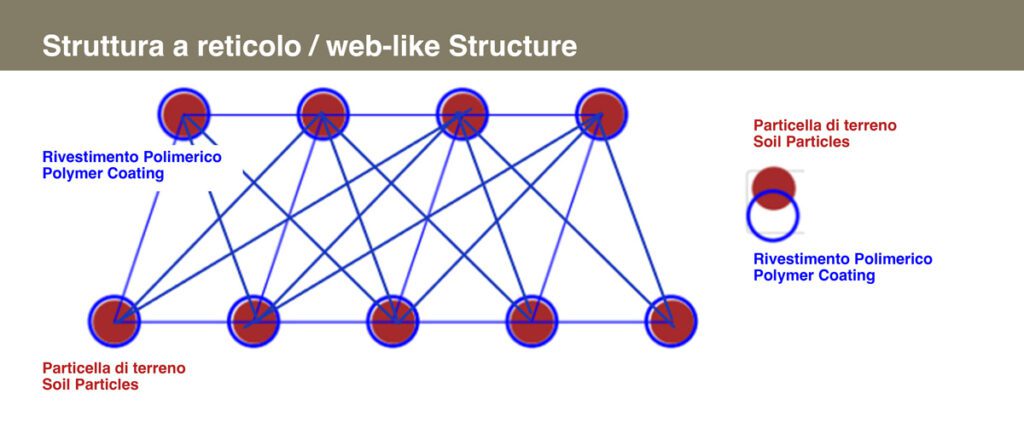
These chains align linearly and crosslink strongly with other chains, forming a dense, interconnected, and stabilized matrix.
With lengths of up to a million molecules, the resulting network keeps soil and aggregates together more resiliently, durably, and flexibly than conventional stabilizing agents, which typically form much shorter chains (between 100 and 1,000 molecules).
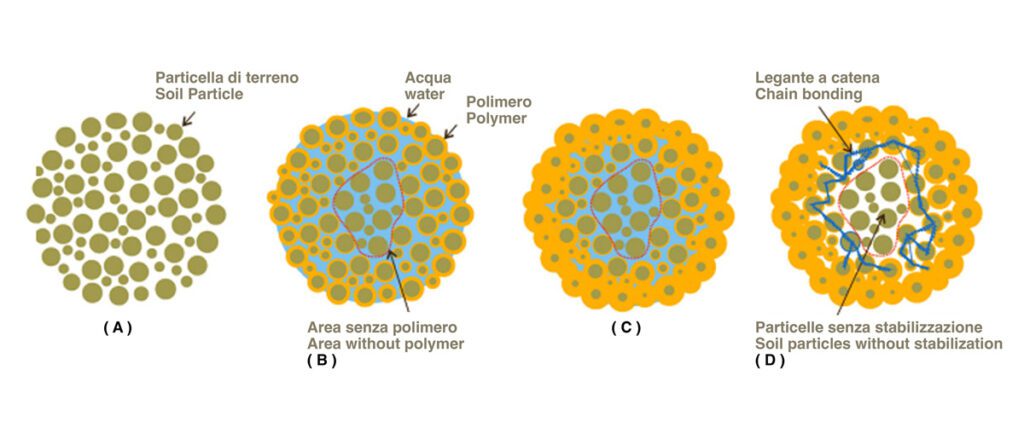
This interconnected chain system physically locks soil and aggregate particles into a compact matrix.
Treated particles join to form a solid, resistant surface, while untreated ones remain more prone to disintegration and displacement.
Small Science, Big Benefits
Surfaces stabilized with Green Ways’ polymer technology show significant improvements.
The network of polymer bonds enhances the load-bearing capacity (CBR) of the soil immediately after matrix curing, creating a stable and durable surface.
The increased strength and flexibility make the material suitable both for low-traffic roads and as a base layer for asphalt or concrete pavements under heavy traffic.

The resulting surface offers additional advantages:
Water and moisture resistance while maintaining permeability and sustainability in all seasons, and effective protection against erosion, potholes, and deformation.
Moreover, Soil Sement® technology effectively controls fine dust dispersion, protecting workers and residents from particulate emissions.
From an environmental standpoint, the Green Ways solution remains stable in treated soils, with no leaching risks or negative impacts on vegetation and wildlife.
Overall, the system enhances performance, safety, and infrastructure durability, with lower environmental impact and total cost compared to traditional methods.
Soil Sement® Engineered Formula represents the soil stabilization solution that combines technical efficiency, sustainability, and long-term value.
For more information about soil stabilization with polymers, contact Green Ways directly.
Soil Stabilization: an ally for the microclimate and water management worldwide
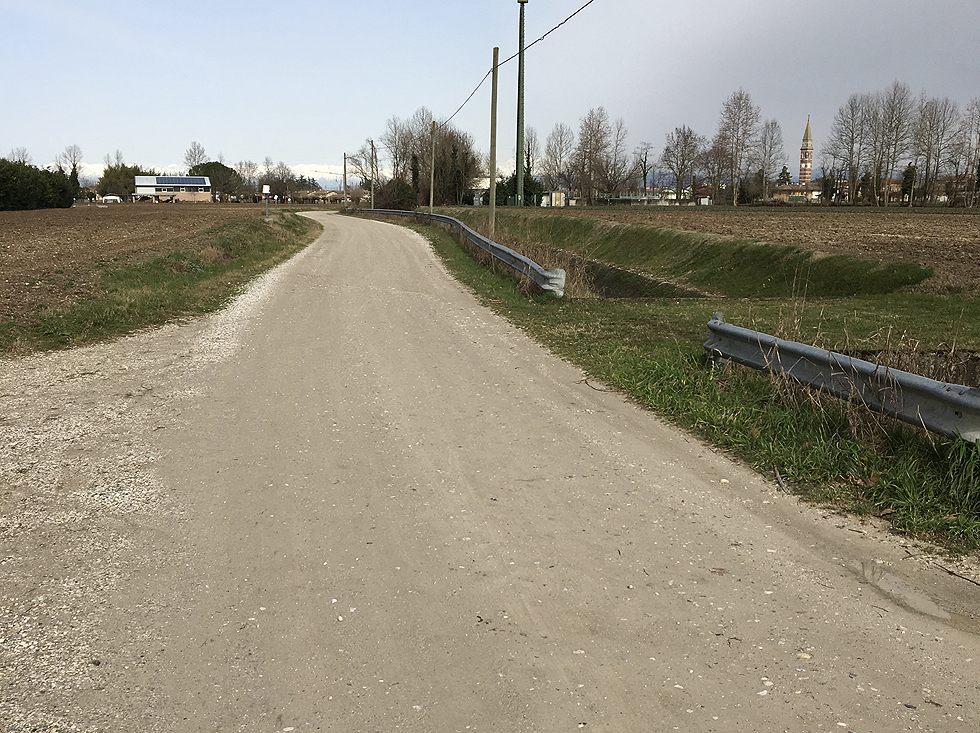
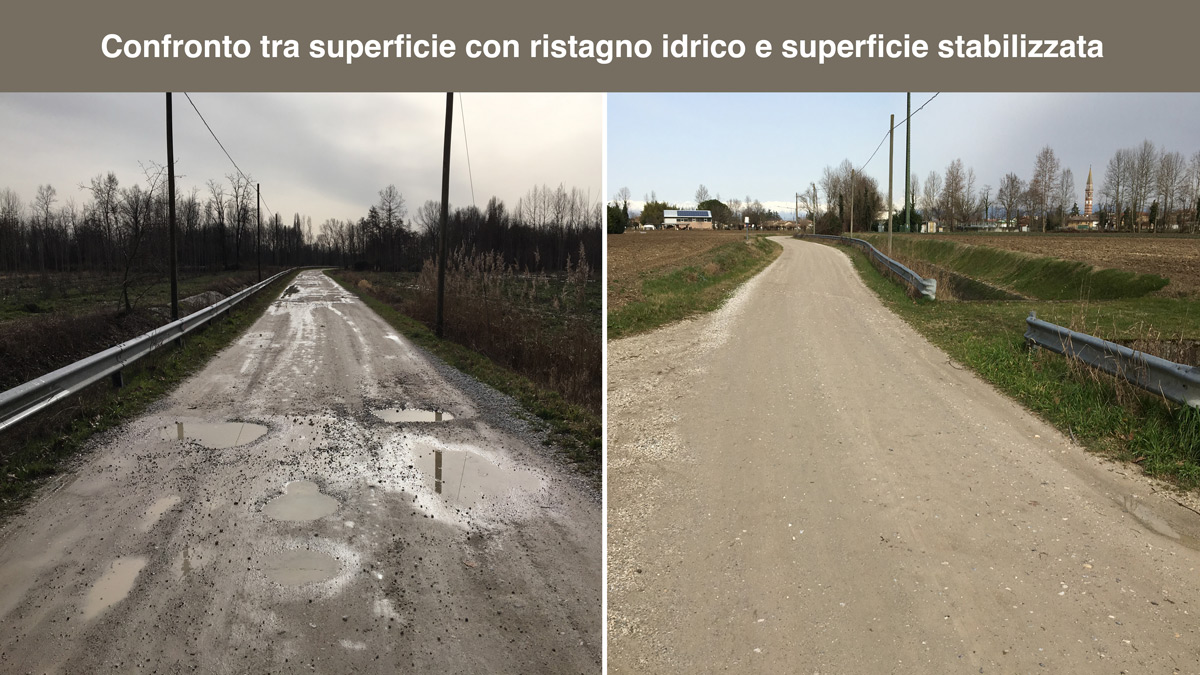
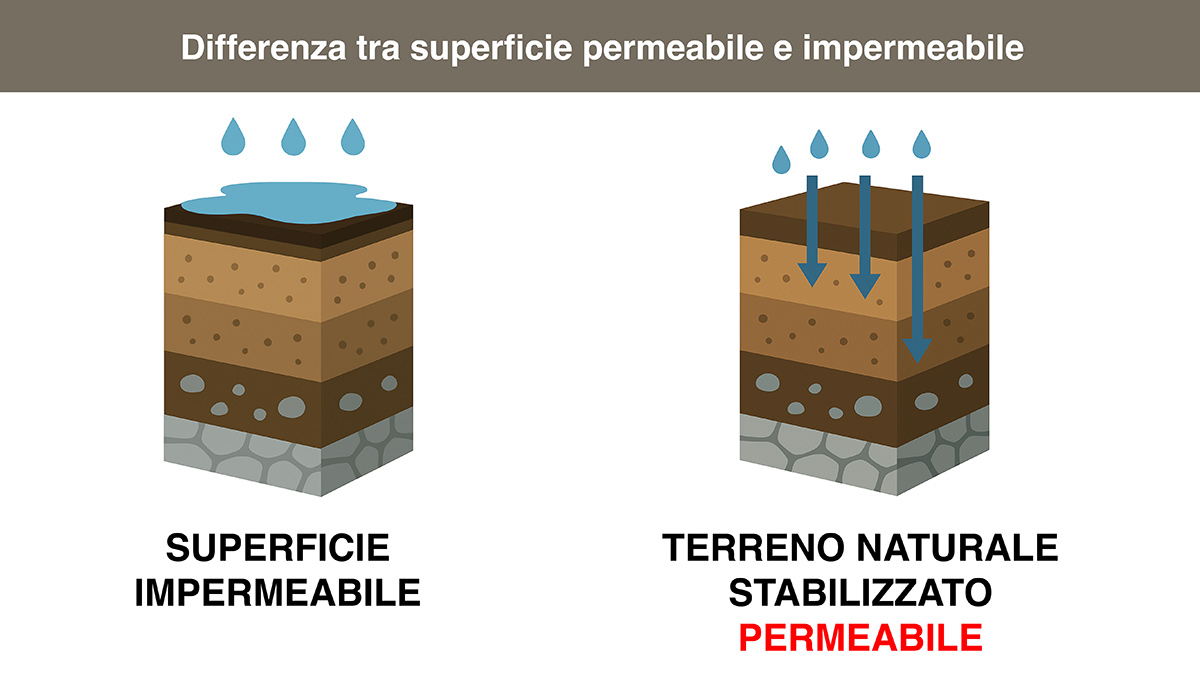
In recent years, climate change has made intense and sudden rainfall more frequent, with serious consequences for rural roads, cycle paths, and natural areas. Water that cannot infiltrate the ground generates runoff, flooding, and erosion damage. On the other hand, the traditional solution of asphalt makes the soil impermeable, worsening water-related problems and contributing to the urban heat island effect during the summer months. Soil stabilization offers a third way: a technology that makes the soil resistant, permeable, and environmentally friendly. A choice that combines durability, reduced maintenance costs, and environmental sustainability.
What soil stabilization is
Soil stabilization is a technique that has been used for over two centuries to improve soil strength and durability. In the past, it was mainly carried out with cement or lime, materials that, however, seal the soil, making it impermeable and altering its natural balance.
Today, eco-friendly binders are available that allow the soil to be consolidated while maintaining permeability: water continues to filter through, reducing stagnation and improving the environmental sustainability of the intervention.
In Italy, and beyond, these binders are used in many different contexts:
- rural and farm roads
- construction site tracks
- cycle paths and nature trails
- urban parks, national parks
- archaeological sites and landscape areas where it is important to preserve the visual impact.
Benefits for the microclimate
Asphalted and concreted surfaces tend to store heat during the day and release it slowly at night: this generates the so-called urban heat islands.
By contrast, stabilized soil reflects less heat, maintains a more natural temperature, and contributes to a more balanced local microclimate. In addition, the reduction of fine dust improves air quality.
Management of runoff water
One of the strengths of soil stabilization is its ability to promote natural drainage. Rainwater filters through the stabilized surface, reducing the volumes flowing on the surface. This limits runoff and slope erosion. This approach integrates perfectly with European policies for sustainable water management.
Environmental and economic advantages
In addition to improving the microclimate and water management, soil stabilization offers numerous benefits:
- less maintenance
- reduction of CO₂ emissions
- landscape integration
- Use of local materials.
Choosing soil stabilization means investing in light but durable infrastructure that improves quality of life, respects the environment, and meets local needs.
In Italy, and beyond, Green Ways offers these innovative solutions that have been used for over 45 years worldwide, developed by Midwest Industrial Supply.
Improving compressive strength and CBR with nanotechnology for unpaved roads
Effective and sustainable soil stabilization is today one of the most relevant challenges in road construction and light infrastructure. The quality of the subgrade and its bearing capacity determine the durability and safety of unpaved roads, cycle paths, pedestrian areas, and parking lots.
Thanks to new polymer-based nanotechnologies, it is possible to achieve significant improvements in compressive strength and in the California Bearing Ratio (CBR), while minimizing the use of high-impact materials such as cement and lime.
Laboratory test results
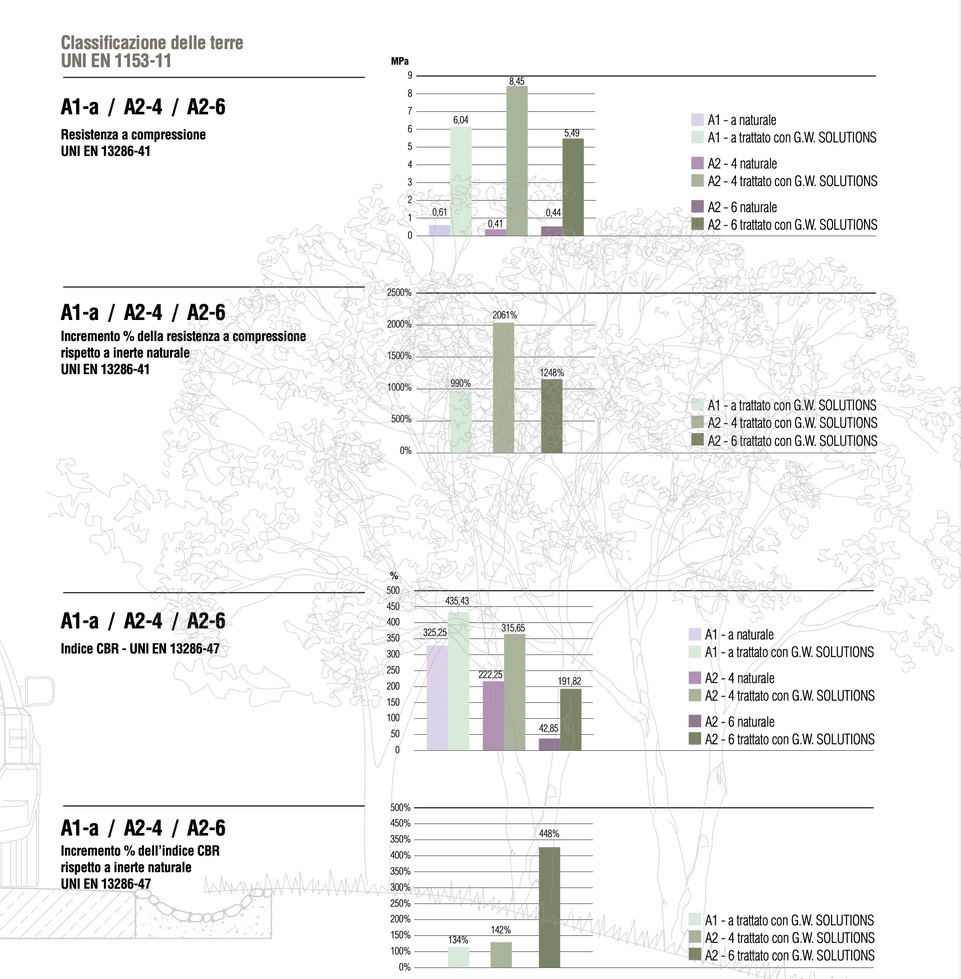
Laboratory tests carried out on soils of different classifications (A1a, A2-4, A2-6) show that applying a calibrated dosage of polymeric binder allows:
- a significant increase in Unconfined Compressive Strength (UCS);
- a marked increase in CBR, the key parameter for evaluating the bearing capacity of a road subgrade.
In some cases, values increased from 0.41 MPa to over 8.45 MPa.
A 2060% increase goes far beyond the requirements of light infrastructures, such as a simple cycle path: it is an extraordinary performance, crucial for infrastructures subjected to heavy vehicular traffic.
Optimizing binder dosage is therefore a key step: it ensures that the required performance is met while avoiding material waste.
On-site plate load test
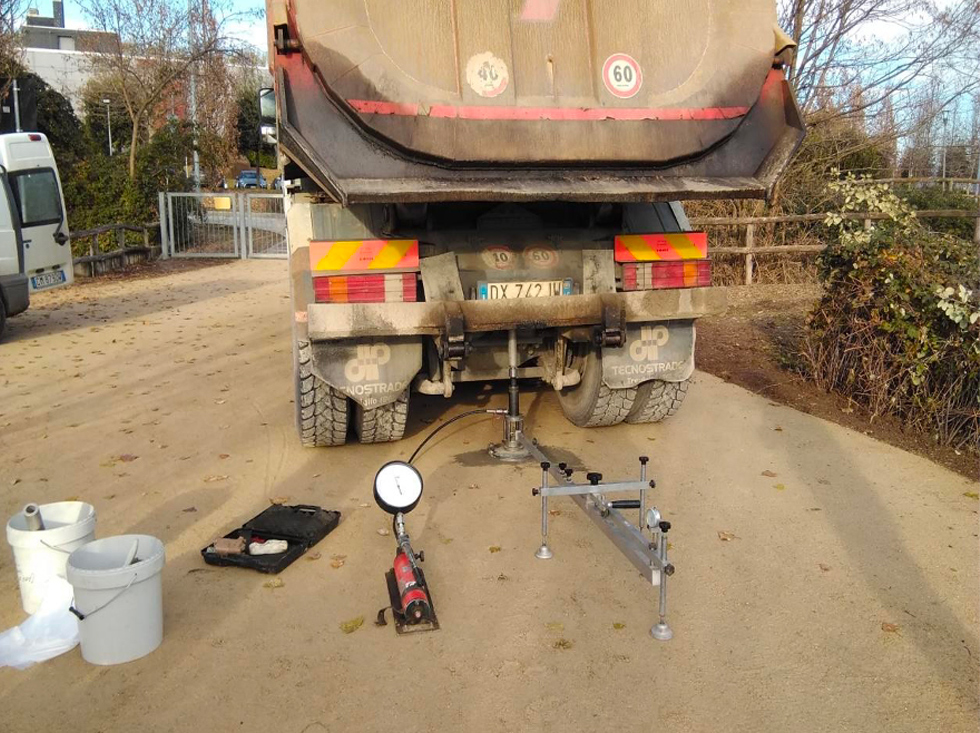
The laboratory results were confirmed by direct field tests. One example is the plate load test (CNR 146/1992 standard) performed at the Parco della Trucca construction site in Bergamo.
The test, which measures subgrade bearing capacity and compaction, provided deformation and modulus values (Md and M’d) fully compliant with the required standards. This demonstrates how nanotechnology-based polymer binders can effectively replace cement in soil stabilization processes for unpaved roads and urban areas.
Benefits for designers and contractors
Adopting Green Ways® nanotechnology-based solutions provides both economic and environmental benefits:
- Economic benefits: optimized dosages reduce procurement and transport costs, avoiding unnecessary excesses;
- Environmental benefits: elimination of hundreds of kilograms of cement per cubic meter of treated soil, reduced aggregate hauling, lower heavy traffic, and reduced CO₂ emissions.
A tailored technology for unpaved roads
Each soil stabilization intervention must be designed according to:
- soil type (grain size analysis and classification according to UNI 11531-1, USCS/AGI);
- intended use (cycle path, heavy-traffic road, pedestrian area, parking lot, etc.);
- environmental conditions (temperature variations, freeze–thaw cycles).
Nanotechnology-based polymeric solutions enable customized, site-specific design, improving the mechanical performance of soils without compromising permeability, natural aesthetics, or environmental compatibility.
Soil stabilization is never a standard operation: each project has specific requirements linked to soil characteristics, intended use, and environmental context. That is why it is essential to rely on a technical partner capable of analyzing all parameters and selecting the most suitable stabilizing binder, with the correct dosage.
👉 Green Ways® provides expertise, technologies, and laboratory testing to support you in identifying the most effective and sustainable solution. Contact us to evaluate your project and define the optimal treatment to ensure performance, safety, and durability for your new unpaved roads.

Inert materials: classification, grain size
When people talk about sustainable construction, they tend to think of technologies, systems and renewable sources. But sustainability starts much earlier: with materials. Inert materials, often underestimated, are the basis of any well-designed pavement. In this article we explain what they are, what characteristics they should have, and how Green Ways® uses them to reduce the environmental impact and increase the efficiency of works.
What are inert materials and why they are important
The term“aggregate materials” refers to sands, gravels, crushed stone and other natural or recycled aggregates that do not undergo chemical transformations during their use. They are used in construction as main components for sub-bases, ballast and pavements.
The importance of aggregates comes from their structural function: they must resist compression, provide drainage and contribute to the stability of the treated soil.
Classification and particle size of aggregates
Inert materials can be classified according to various criteria, but two are particularly relevant: origin and grain size.
Origin of aggregates:
- Natural: derived from crushed rock, sand or gravel extracted from quarries or river beds.
- Recycled: obtained from materials from demolition (concrete, bricks, etc.).
- Artificial: produced by industrial processes, such as blast furnace slag.
Aggregate particle size
Particle size indicates the size distribution of the particles that make up the aggregate, and is a key aspect of successful paving.
A balanced particle size curve, that is, a well-measured mixture of fine, medium and coarse particles:
- Improves compaction and bottom stability;
- Allows good drainage, preventing water stagnation;
- Prevents erosion;
- Ensures an even distribution of loads.
Knowing and controlling grain size is essential to achieve a quality technical and aesthetic result, whether working with natural aggregates or recycled aggregates.
Local aggregates and recycled aggregates: a sustainable choice
Green Ways® promotes the use of local aggregates or recycled aggregates as an alternative to sourcing from distant quarries and processing centers. Unlike others in the industry, who have to prepare pre-mixes in sheds and then transport them to the site at high cost and high environmental impact, Green Ways® brings only the stabilizing binder to the site, taking advantage of materials already available on site.
This approach is particularly beneficial in contexts such as Africa or rural European areas, where complex logistics infrastructure is lacking. Using local land means lowering transportation costs, reducing CO₂ emissions and water use, and creating cheaper and more replicable infrastructure.
Standards and technical references
The use of aggregates is regulated by European and national technical standards. Among the most relevant:
- UNI EN 13242: aggregates for unbound and bound materials for civil engineering works and road construction.
- UNI EN 12620: aggregates for concrete.
- UNI 11531-1 and 11531-2: mixtures treated with hydraulic or alternative binders for road pavements.
Green Ways® operates within these regulations, providing compatible products and offering technical support for the proper design of the stratigraphic package.
The case of Sicily: sand and lava aggregates for walking paths in a garden and nursery
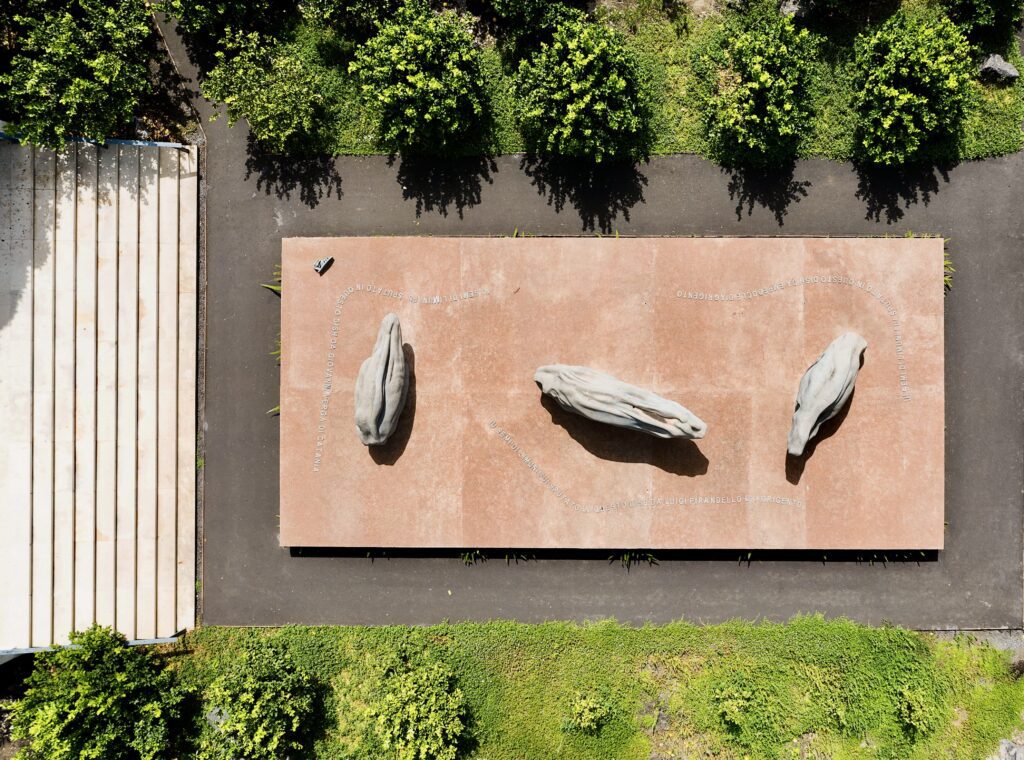

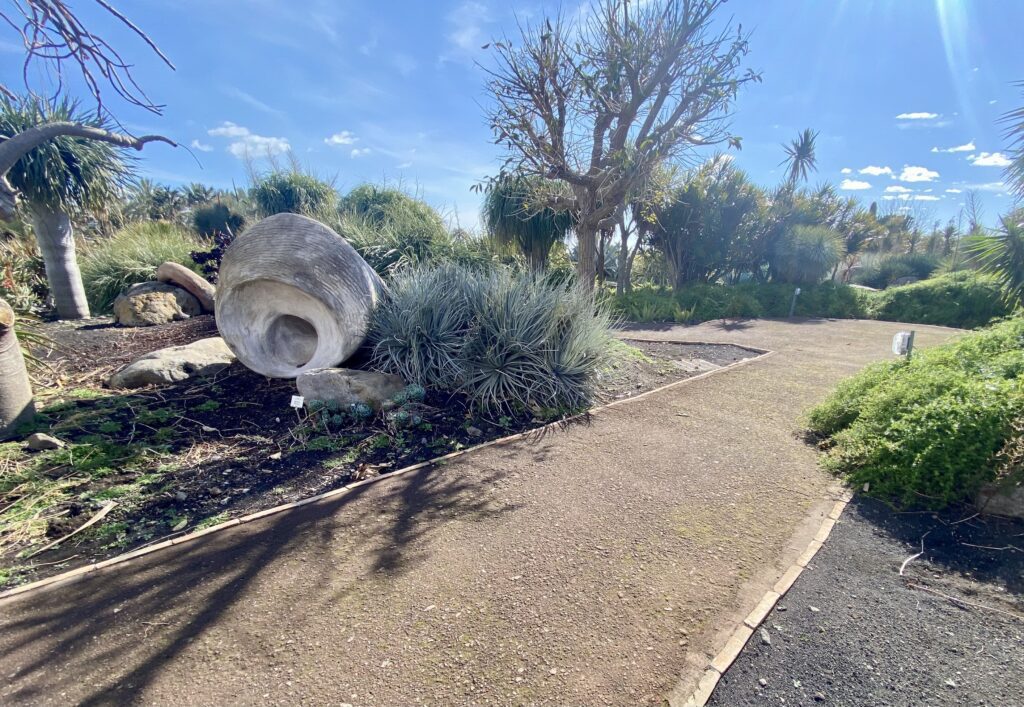
A concrete example is the project carried out in Sicily within a Mediterranean garden and nursery. Green Ways® collaborated in the creation of pedestrian walkways using lava sand and draining lava aggregate treated with Green Stab Pave® e Soil Sement® EF.
The intervention thickness of 12 cm resulted in compact, stable and perfectly draining surfaces. The use of local materials, combined with proper grain size grading, ensured high mechanical performance and full landscape integration with the natural Sicilian environment. This approach avoided the need to use cementitious materials, minimizing environmental impact and maintaining an aesthetic consistent with the Mediterranean context.
Conclusion
The choice of aggregate materials is far from secondary: it determines the quality, durability and environmental impact of a pavement. Green Ways® proposes a sustainable model based on technical expertise, customized advice and the use of high-performance binders that enhance the value of locally available aggregates. Because building well is not only about building solid, but also building in harmony with our surroundings.
Outdoor paving: history, types, and solutions for more livable public spaces
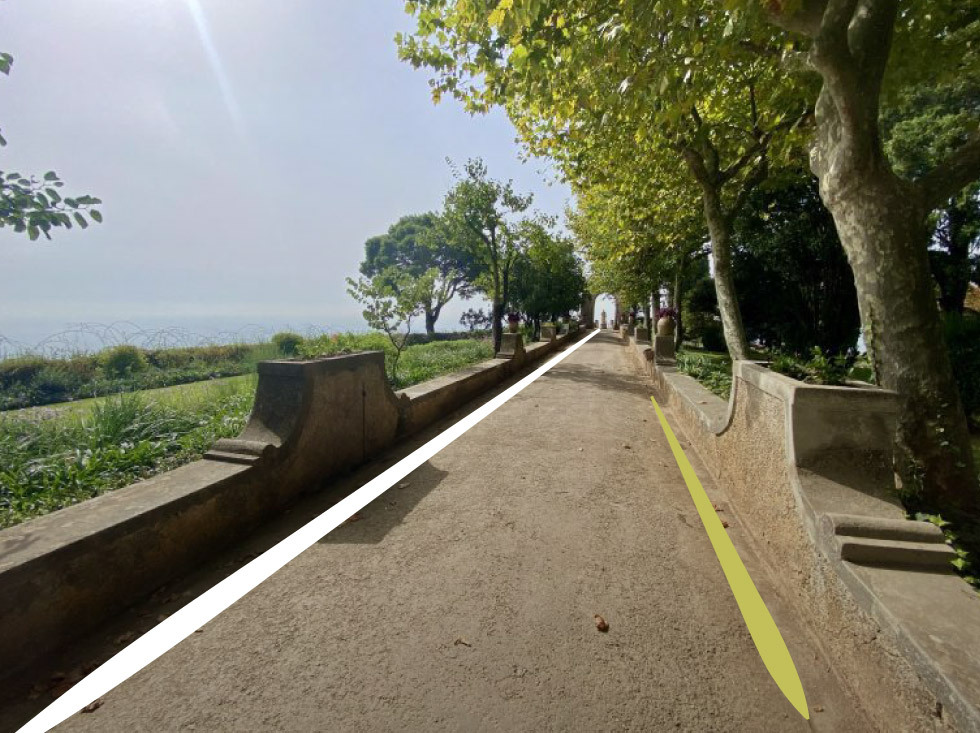
Exterior pavements represent more than just a surface on which we walk or drive: they are a strategic element in the livability and safety of public and private spaces, as well as contributing to urban aesthetics and sustainability. From parks to plazas, from bike paths to dirt roads, choosing the right pavement profoundly affects the quality of our daily experience.
A journey through the history of flooring
The history of outdoor paving is as old as civilization itself. The Romans were among the first to create an articulated and durable road system, using large basalt slabs laid over layers of sand and gravel. These roads, some of which have survived to the present day, were designed not only to resist the wear and tear of time and weather, but also to provide effective drainage. During the Middle Ages and into the Renaissance, stone and cobblestones became the stars of urban paving, giving rise to streets that, even today, characterize Europe's historic centers. The nineteenth century, with the industrial revolution, brought the introduction of macadam then concrete and, later, asphalt, materials that revolutionized modern roads because of their affordability and speed of paving.
The main types of outdoor paving
Today, the landscape of outdoor flooring is extremely diverse and constantly evolving:
- Drainage pavements: designed to promote the infiltration of rainwater into the ground, they help reduce the risk of flooding and prevent erosion.
- Concrete and asphalt: widely used for roads and parking lots due to their strength and ease of installation, although not always optimal from an ecological point of view.
- Gravel, sand and stabilized soil: ideal natural solutions for parks and trails, providing a rustic look that is harmonious with the environment.
- Self-locking pavements: made of modular concrete or stone blocks, they allow quick and easy maintenance work.
- Innovative pavements: include recycled materials, photocatalytic surfaces that improve air quality, and even pavements capable of integrating vegetation.
Standards and performance not to be underestimated
Exterior pavements must meet precise regulatory and performance requirements, defined by national and international standards (such as UNI and EN). Among the most important aspects are:
- Mechanical strength: ability to withstand heavy loads without deforming or breaking.
- Slipperiness: essential to ensure the safety of pedestrians and cyclists, particularly in rain or ice.
- Accessibility: pavements must be usable by everyone, including people with mobility and visual impairments.
- Durability and maintenance: it is essential to choose materials that maintain their characteristics over time, thus reducing maintenance costs.
How to choose the most suitable flooring
To identify the most suitable outdoor flooring, a number of determining factors must be considered:
- Environmental and landscape context: natural materials and neutral colors are best integrated in rural and park settings, while more modern, high-performance solutions can be adopted in urban environments.
- Use function: a pedestrian pathway has different needs than a driveway or public parking lot.
- Climate and weather conditions: in areas subject to heavy rainfall, it is advisable to aim for draining pavements supported by suitable water regulation systems, while in areas subject to frost, it is crucial to check the strength of the aggregates used.
- Environmental sustainability: ggi it is also imperative to assess the environmental impact of the pavement throughout its life cycle, preferring solutions with low ecological impact, encouraging the recovery of what is on site.
Sustainability as a guiding value
Growing environmental awareness has led to a reconsideration of outdoor pavement design criteria. Draining surfaces, for example, are increasingly valued not only for their stormwater management but also for their ability to reduce the “heat island” effect in urban centers. In addition, choosing recycled or local materials helps reduce CO₂ emissions related to transportation and production. Today, thanks to life cycle analyses (LCAs), it is possible to accurately quantify the environmental impact of different options, making any design decision more informed.
The new frontiers of paving
Among the most promising innovations are smart pavements, capable of generating energy from the pressure of footsteps or vehicular traffic, and vegetated surfaces that combine pavement and urban greenery into a single system. Temporary modular solutions are also emerging, perfect for events or pilot projects, which can be easily removed or repositioned as needed.
Green Ways® Solutions.

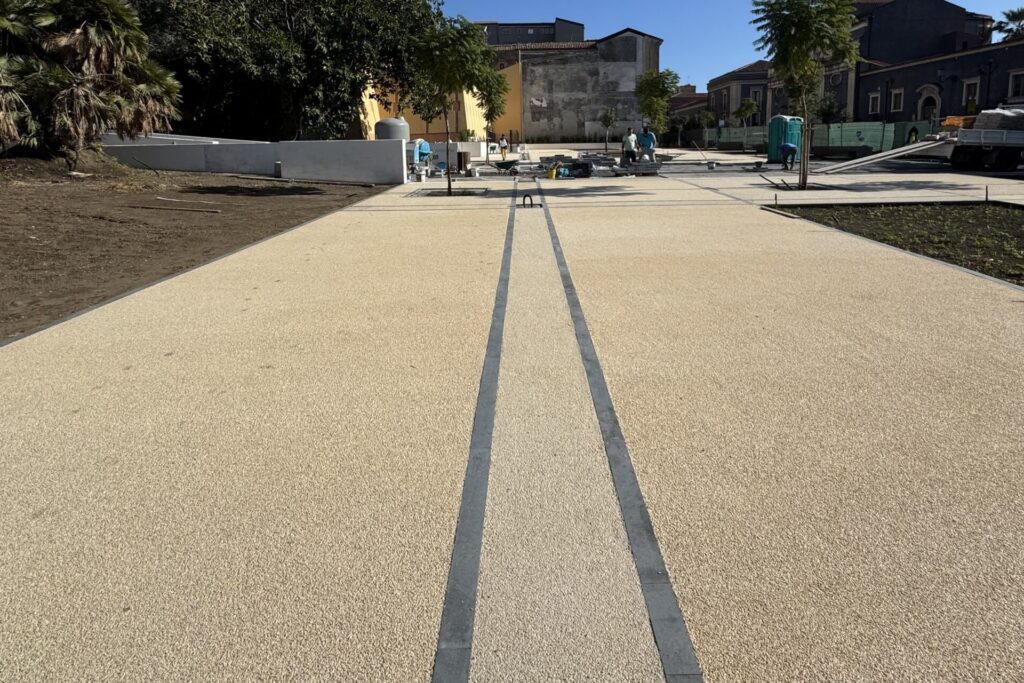
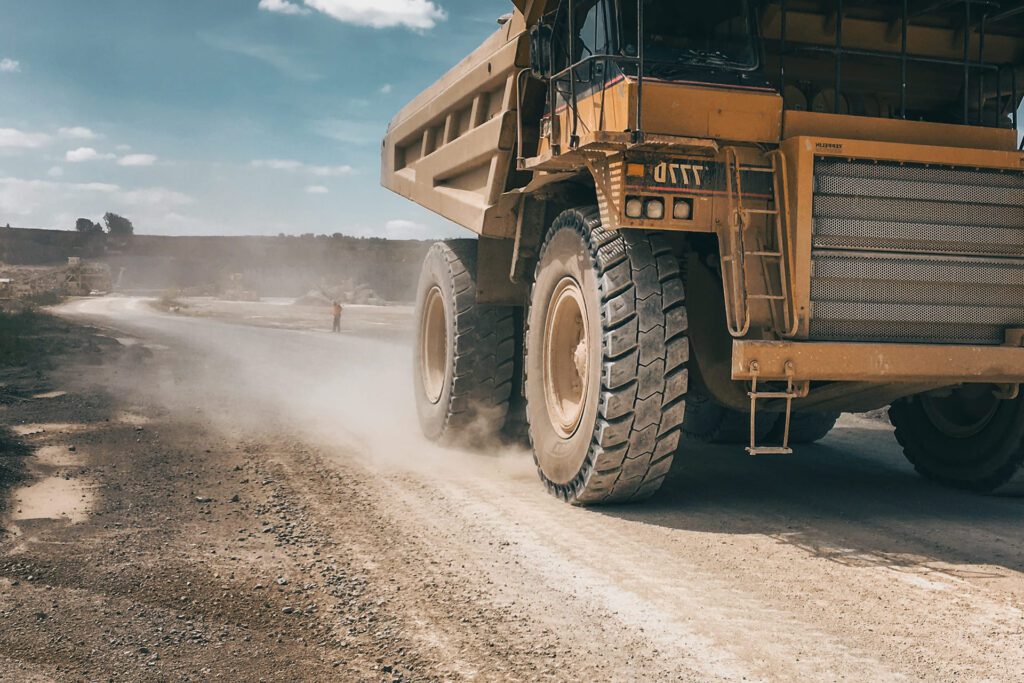
In this dynamic and challenging environment, Green Ways® offers advanced and sustainable outdoor paving systems designed to integrate seamlessly into parks, municipal areas, bike paths and dirt roads. Through the use of natural materials and innovative technologies, such as drainage mixtures and environmentally friendly consolidants, Green Ways® helps create safer, more comfortable and environmentally friendly public spaces. Each project comes from listening to the needs of the local area and aims at a common goal: to improve people's well-being and protect natural resources.