
Outdoor paving: history, types, and solutions for more livable public spaces
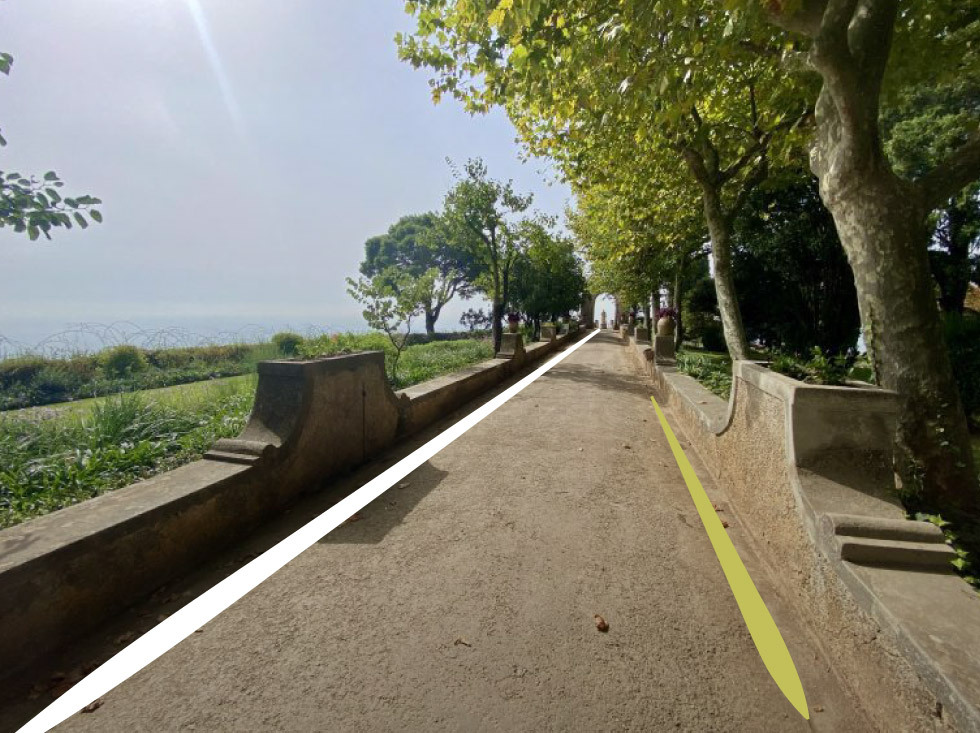
Exterior pavements represent more than just a surface on which we walk or drive: they are a strategic element in the livability and safety of public and private spaces, as well as contributing to urban aesthetics and sustainability. From parks to plazas, from bike paths to dirt roads, choosing the right pavement profoundly affects the quality of our daily experience.
A journey through the history of flooring
The history of outdoor paving is as old as civilization itself. The Romans were among the first to create an articulated and durable road system, using large basalt slabs laid over layers of sand and gravel. These roads, some of which have survived to the present day, were designed not only to resist the wear and tear of time and weather, but also to provide effective drainage. During the Middle Ages and into the Renaissance, stone and cobblestones became the stars of urban paving, giving rise to streets that, even today, characterize Europe’s historic centers. The nineteenth century, with the industrial revolution, brought the introduction of macadam then concrete and, later, asphalt, materials that revolutionized modern roads because of their affordability and speed of paving.
The main types of outdoor paving
Today, the landscape of outdoor flooring is extremely diverse and constantly evolving:
- Drainage pavements: designed to promote the infiltration of rainwater into the ground, they help reduce the risk of flooding and prevent erosion.
- Concrete and asphalt: widely used for roads and parking lots due to their strength and ease of installation, although not always optimal from an ecological point of view.
- Gravel, sand and stabilized soil: ideal natural solutions for parks and trails, providing a rustic look that is harmonious with the environment.
- Self-locking pavements: made of modular concrete or stone blocks, they allow quick and easy maintenance work.
- Innovative pavements: include recycled materials, photocatalytic surfaces that improve air quality, and even pavements capable of integrating vegetation.
Standards and performance not to be underestimated
Exterior pavements must meet precise regulatory and performance requirements, defined by national and international standards (such as UNI and EN). Among the most important aspects are:
- Mechanical strength: ability to withstand heavy loads without deforming or breaking.
- Slipperiness: essential to ensure the safety of pedestrians and cyclists, particularly in rain or ice.
- Accessibility: pavements must be usable by everyone, including people with mobility and visual impairments.
- Durability and maintenance: it is essential to choose materials that maintain their characteristics over time, thus reducing maintenance costs.
How to choose the most suitable flooring
To identify the most suitable outdoor flooring, a number of determining factors must be considered:
- Environmental and landscape context: natural materials and neutral colors are best integrated in rural and park settings, while more modern, high-performance solutions can be adopted in urban environments.
- Use function: a pedestrian pathway has different needs than a driveway or public parking lot.
- Climate and weather conditions: in areas subject to heavy rainfall, it is advisable to aim for draining pavements supported by suitable water regulation systems, while in areas subject to frost, it is crucial to check the strength of the aggregates used.
- Environmental sustainability: ggi it is also imperative to assess the environmental impact of the pavement throughout its life cycle, preferring solutions with low ecological impact, encouraging the recovery of what is on site.
Sustainability as a guiding value
Growing environmental awareness has led to a reconsideration of outdoor pavement design criteria. Draining surfaces, for example, are increasingly valued not only for their stormwater management but also for their ability to reduce the “heat island” effect in urban centers. In addition, choosing recycled or local materials helps reduce CO₂ emissions related to transportation and production. Today, thanks to life cycle analyses (LCAs), it is possible to accurately quantify the environmental impact of different options, making any design decision more informed.
The new frontiers of paving
Among the most promising innovations are smart pavements, capable of generating energy from the pressure of footsteps or vehicular traffic, and vegetated surfaces that combine pavement and urban greenery into a single system. Temporary modular solutions are also emerging, perfect for events or pilot projects, which can be easily removed or repositioned as needed.
Green Ways® Solutions.

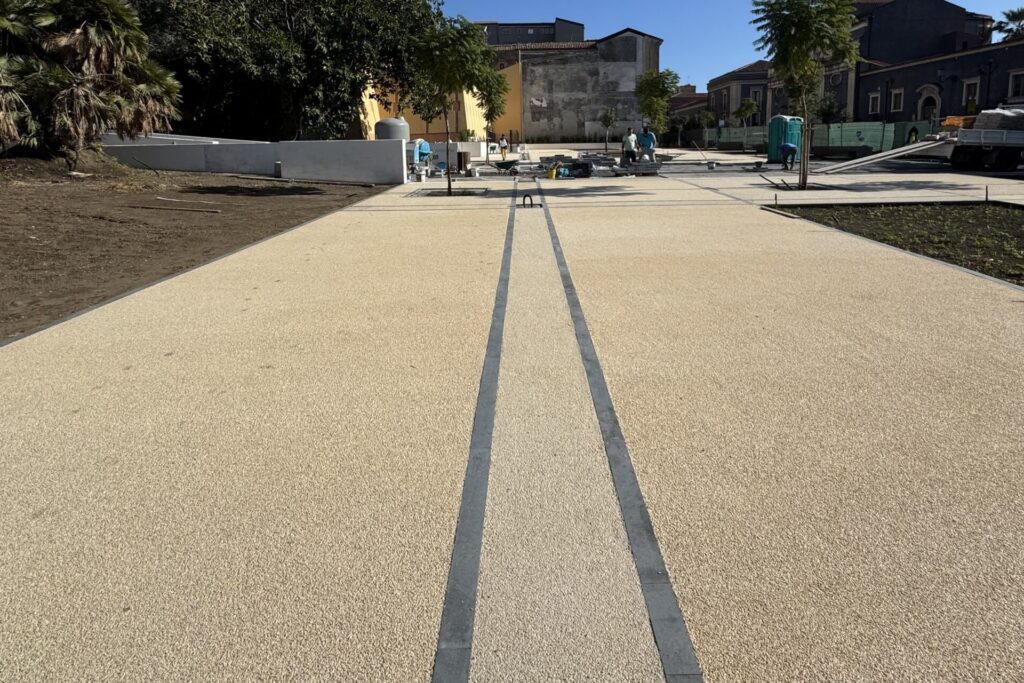

In this dynamic and challenging environment, Green Ways® offers advanced and sustainable outdoor paving systems designed to integrate seamlessly into parks, municipal areas, bike paths and dirt roads. Through the use of natural materials and innovative technologies, such as drainage mixtures and environmentally friendly consolidants, Green Ways® helps create safer, more comfortable and environmentally friendly public spaces. Each project comes from listening to the needs of the local area and aims at a common goal: to improve people’s well-being and protect natural resources.