
Dust Control for Small Facilities: Green Ways’ Autonomous Application Programme
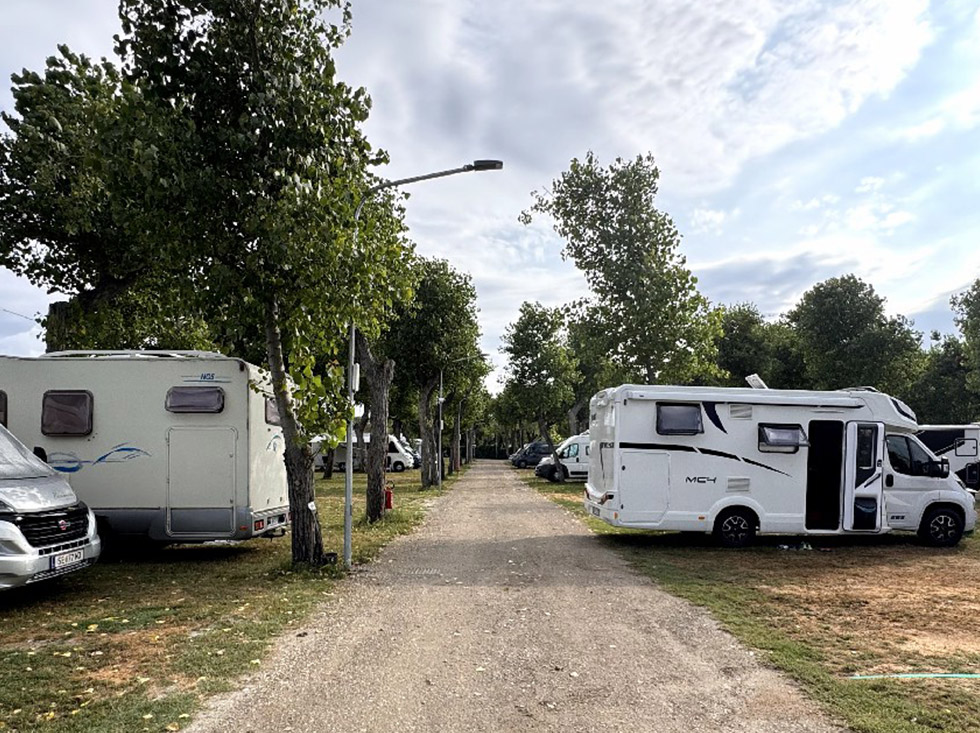
Dust control is achievable even for small facilities. Green Ways’ Dust Control Programme, designed for autonomous application, draws on over 20 years of field experience to provide a solution that enables anyone to suppress dust effectively, using simple tools, even in challenging conditions and compact sites.
This approach helps small organisations and businesses cut costs while achieving the same level of performance normally expected from large companies equipped with dedicated dust-control teams and machinery — the same companies that already rely on GREEN WAYS solutions.
Before sharing the recent success achieved in a camping area — whose manager had never even heard of dust control — here’s a brief overview of our autonomous application programme.
From Zero to Done: Dust Control with One Click and One Call
This self-applied dust control programme is intentionally simple and streamlined.
All you need to do is send a request to info@green-ways.it describing the specific characteristics of your site (every location is unique and requires a customised plan).
Based on your needs, our technical team prescribes the correct quantity and application volume required to achieve effective dust suppression — for Green Ways, this means delivering a minimum performance threshold of 85% or higher.
We supply the ecological product deemed most suitable by our technicians — ENVIROKLEEN® or SOIL SEMENT® — along with a flexible spraying system (spray bar with suitable nozzles, pump with driver-controlled on/off function), and provide initial training for your team both on-site and online.
A Real-World Example
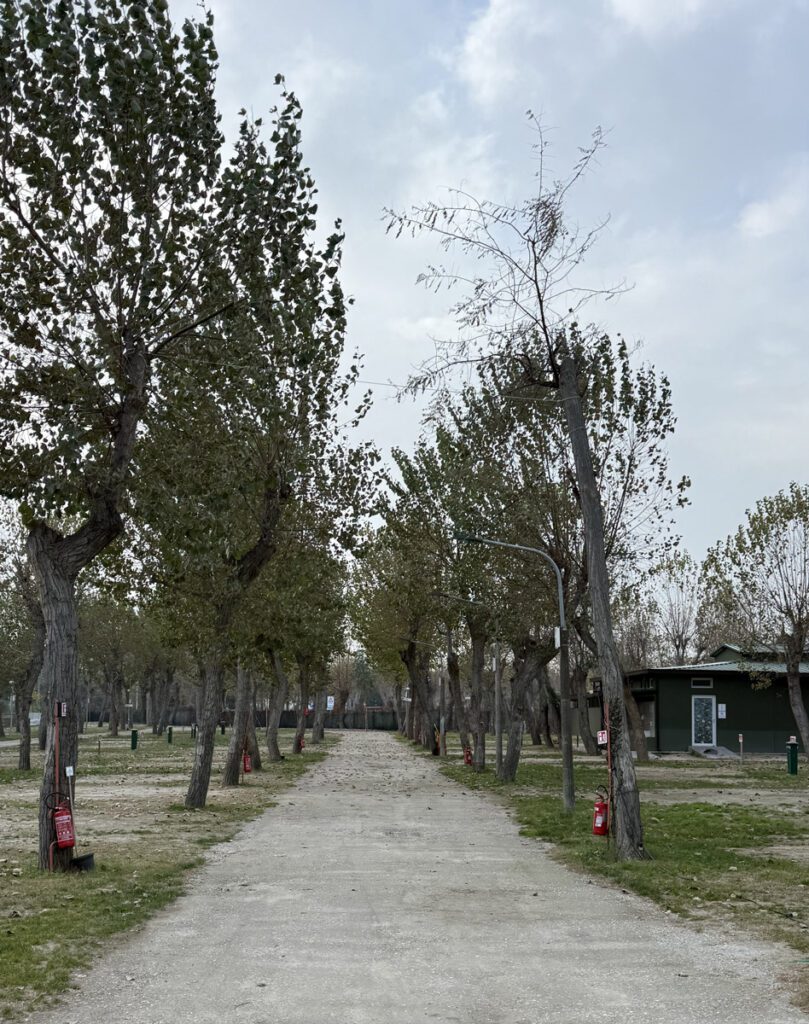
This programme was recently implemented in a campsite that treated 3,000 m² using the SOIL SEMENT dust-binding product.
The campsite owner contacted Green Ways because even the slow passage of cars and caravans during the summer created health and safety issues for guests due to raised dust.
Their goals were clear:
- eliminate the use of water, which evaporates quickly in hot weather
- avoid the mud caused by water-based treatments
- keep the surface clean, stable and dust-free.
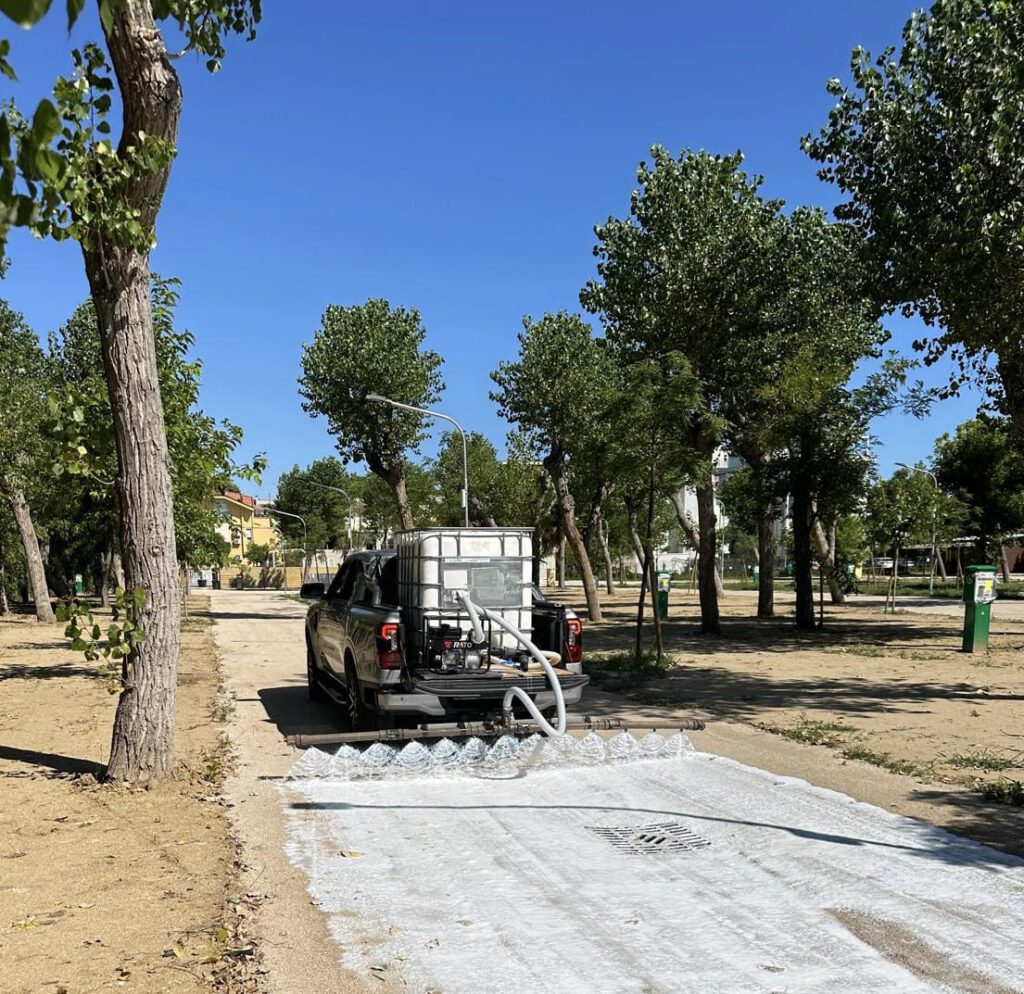
For this application, SOIL SEMENT was selected and applied easily using a pick-up truck carrying a 1,000-litre tank connected via a pump to a spray bar with nozzles.
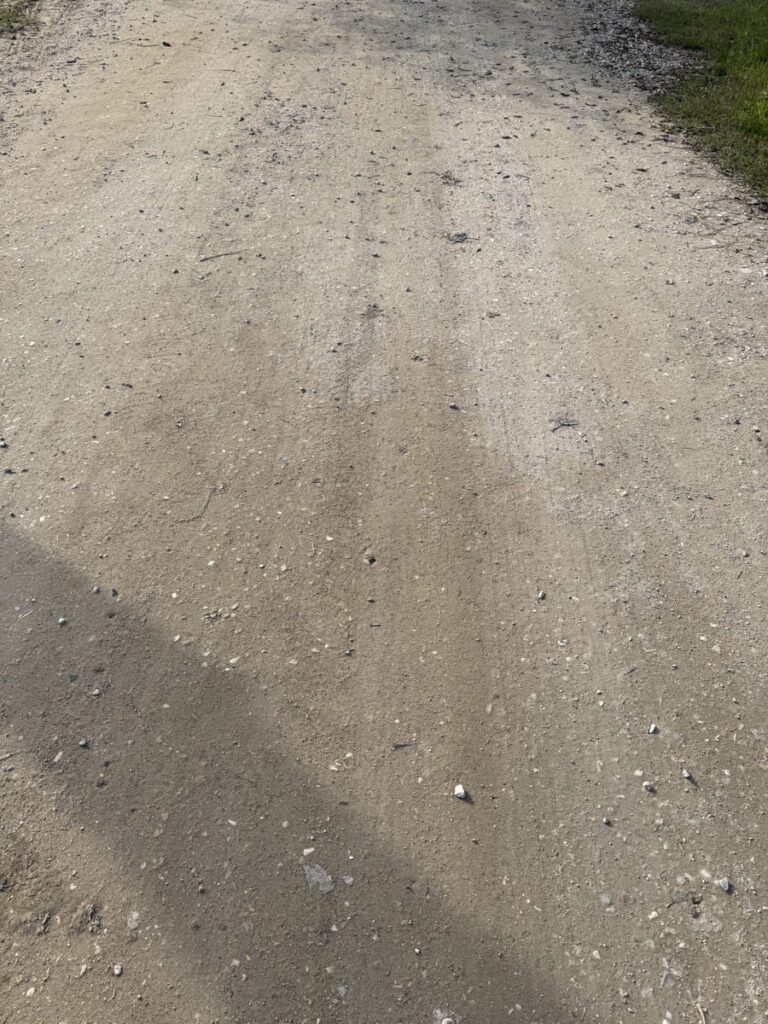
For the 3,000 m² area, 0.5 litres of product diluted in 5 litres of water per m² were used. The next day, the site was inspected to ensure proper penetration and the absence of pooling. The improvement was immediate: the surface no longer produced dust and appeared compact and resistant.
After 10 months, a follow-up inspection confirmed the area was still in excellent condition and that no intervention would be needed for at least another year. With a single application, the site will remain dust-free and stable for around two years.
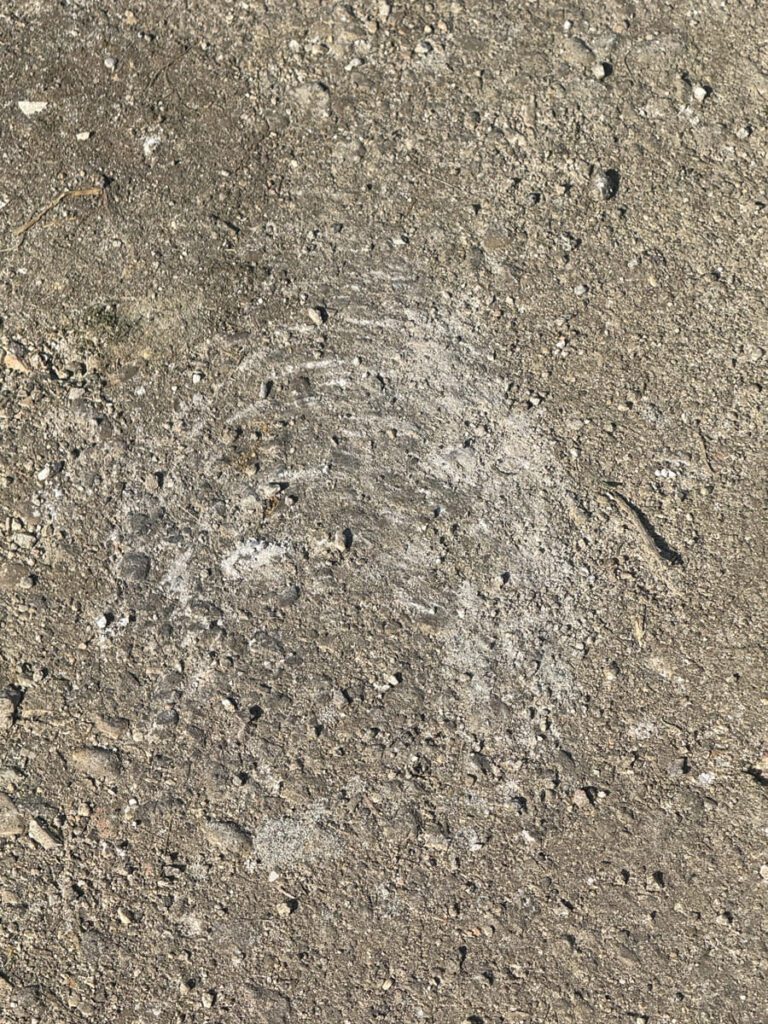
The client realised that, for years, thousands of litres of water and countless labour hours had been wasted on water-only dust suppression, which merely created mud and issues for guests.
Unlike many “off-the-shelf” standard products that suppress dust for only a few hours or days, the Green Ways dust control programme does not require constant reapplication.
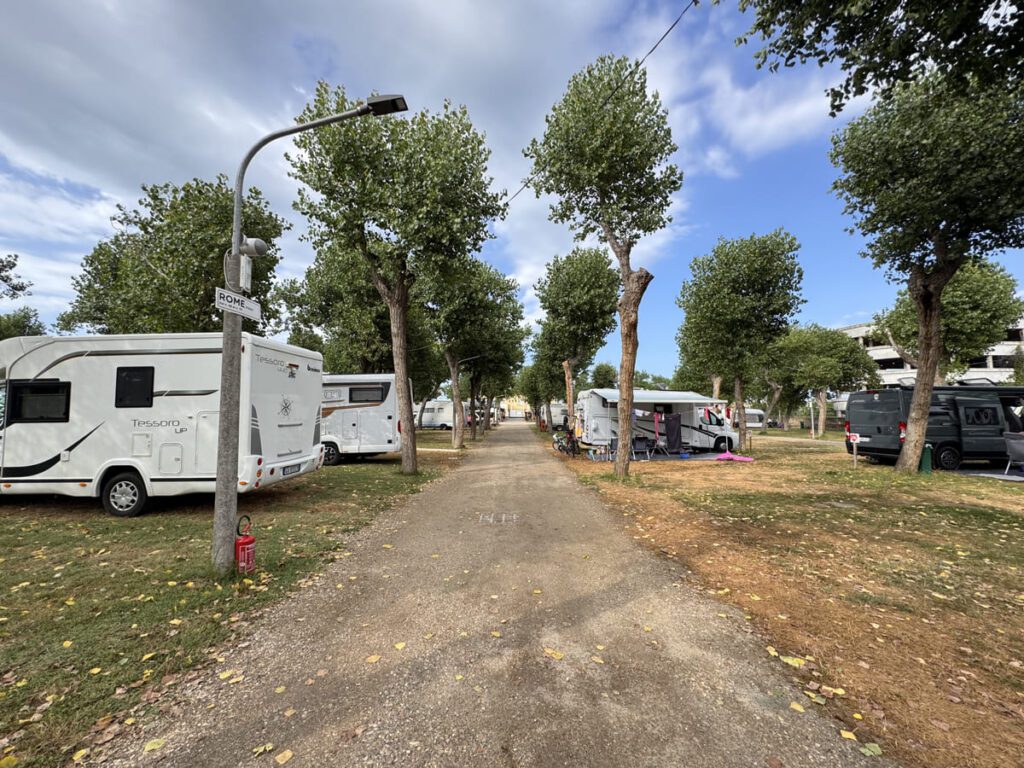
The Advantages Are Clear
- Improved health and safety for staff and guests
- Better visibility, with no dust clouds affecting caravan movement
- Lower maintenance costs, as dust no longer damages air filtration systems
- Compliance with regulations and reduced risk of fines
- Less dust dispersed into the surrounding environment, preserving local ecology
- More cost-effective than alternative dust-control approaches
If you’re new to dust control — or if you’ve already tried every product on the market — try Green Ways’ clean, effective autonomous application programme.
These chains align linearly and crosslink strongly with other chains, forming a dense, interconnected, and stabilized matrix.
With lengths of up to a million molecules, the resulting network keeps soil and aggregates together more resiliently, durably, and flexibly than conventional stabilizing agents, which typically form much shorter chains (between 100 and 1,000 molecules).